
If you’ve ever wondered whether California tap water is safe to drink, you’re not alone. Between news reports about droughts, aging water infrastructure, and water-quality violations across the state, many California homeowners are concerned about what’s actually coming out of their faucets.
While California’s water generally meets federal safety standards, that doesn’t always mean your tap water is free from contaminants—or that it’s the cleanest option for your family’s long-term health.
In this blog, we’ll break down:
- Common contaminants found in California tap water
- State and federal regulations designed to protect residents
- Why filtered drinking water is becoming increasingly important
- How a reverse osmosis system from RWI Water Systems can give your family the cleanest, safest drinking water possible
Related article: Understanding California Tap Water Quality: Common Concerns & Effective Solutions
Common Contaminants Found in California Tap Water
California has one of the most diverse water systems in the country. Water is sourced from rivers, reservoirs, groundwater, desalination plants, and imported supplies—and the quality varies widely depending on where you live. Because of this variability, homeowners may encounter several types of contaminants.

Related article: Contaminants in California Water: How Local Water Quality Affects You
Here are some of the most common substances found in California tap water:
1. Hard Water Minerals (Calcium & Magnesium)
California is known for very hard water. While not harmful to drink, hard water can cause:
- Dry skin and hair
- Soap scum buildup
- Scale inside pipes and appliances
- Poor water taste and cloudy appearance
2. Chlorine and Chloramine
Most California water treatment facilities disinfect water with chlorine or chloramine to kill harmful bacteria. While effective, these chemicals can cause:
- Strong taste and odor
- Skin dryness or irritation
- Potential formation of disinfection byproducts (DBPs)
3. Nitrates
Nitrates often enter drinking water from agricultural runoff. High nitrate levels can pose risks to infants and pregnant women and may contribute to long-term health concerns.
4. Pesticides and Herbicides
Agriculture is a major part of California’s economy. Unfortunately, this means that pesticides can seep into groundwater and surface water, potentially ending up in municipal drinking supplies.
5. Heavy Metals (Arsenic, Chromium-6, Lead)
Some California communities, especially those relying on groundwater, may experience elevated levels of:
- Arsenic, which naturally occurs in some CA soil and rock
- Lead, which can leach from older pipes and plumbing
- Chromium-6, famously found in several California water systems
These metals are strictly regulated, but trace amounts can still appear in drinking water.
6. PFAS (“Forever Chemicals”)
PFAS are man-made chemicals found in consumer products and firefighting foam. These chemicals break down very slowly and can accumulate in water supplies. Concerns include:
- Hormonal disruption
- Immune system effects
- Potential links to cancer
With more testing now required, PFAS contamination is becoming more widely documented in California.
How California Regulates Tap Water
California has some of the strictest water regulations in the United States. These rules are designed to protect the public and ensure water meets minimum safety standards.
State-Level Water Quality Regulations:
The California State Water Resources Control Board (SWRCB) monitors water quality, sets safety standards, and enforces compliance among local water systems. They test for:
- Bacteria
- Chemicals
- Metals
- Nitrates and organic compounds
- Radiological contaminants
Federal Water Quality Regulations:
All public water systems must also follow the EPA’s Safe Drinking Water Act (SDWA), which defines maximum contaminant levels for dozens of pollutants.
Annual Consumer Confidence Reports
Every California water provider must release a yearly water quality report showing contaminant levels and testing results. These reports help consumers understand what’s in their tap water.
Regulation Limitations
While water systems are required to meet legal limits, it’s important to note:
- “Safe” levels do not always mean risk-free—especially for children, pregnant women, and those with health concerns.
- Regulations lag behind emerging science, especially for newer contaminants like PFAS.
- Water travels through pipes before reaching your home, which may introduce metals or sediment.
This is why many California families choose to add a higher level of protection at home.
How to Protect Your Family from California Tap Water Contaminants: Install a Reverse Osmosis Drinking Water System
Even though California tap water is regulated, more homeowners are turning to advanced filtration for peace of mind and better tasting water. One of the most effective solutions is a reverse osmosis (RO) drinking water system.
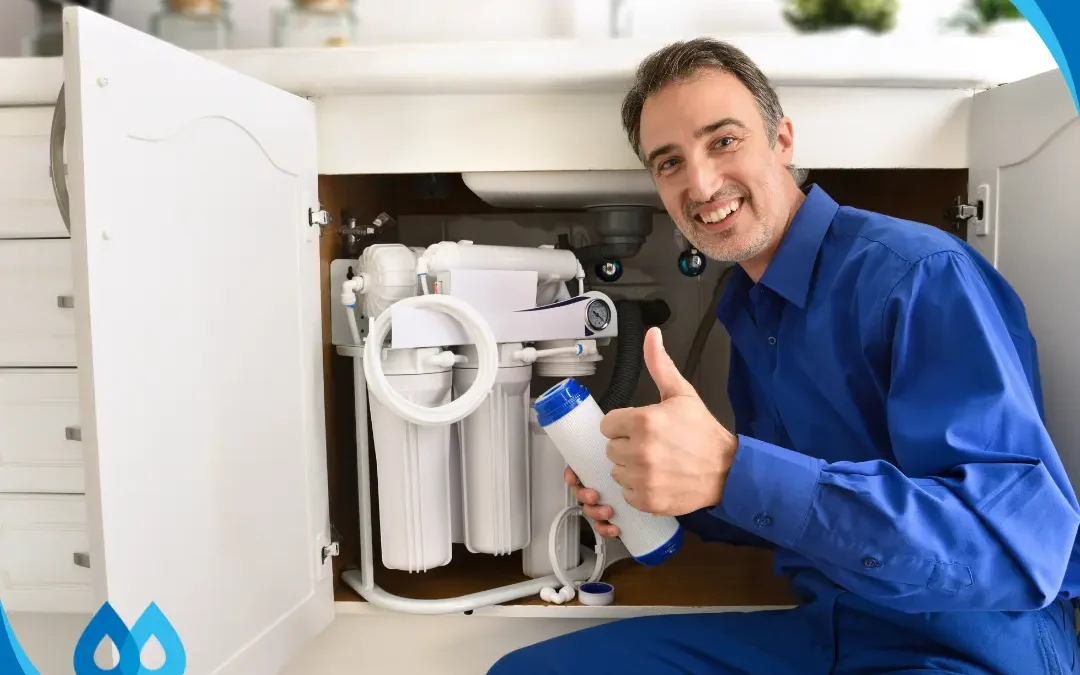
A reverse osmosis system from RWI Water Systems provides powerful protection by removing contaminants that may still be present in tap water.
Related article: Choosing an RO System: Your Guide to Clean, Safe Drinking Water
How Reverse Osmosis Works
An RO system uses multiple filtration stages, including:
- Sediment filtration
- Carbon filtration
- A semi-permeable membrane
- Final polishing filter
This process removes up to 95–99% of impurities, including:
- Chlorine and chloramine
- PFAS
- Heavy metals like arsenic and lead
- Nitrates
- Pesticides
- Sodium
- Pharmaceuticals
- Sediment and particulates

Benefits of Reverse Osmosis From RWI Water Systems
✔ Cleaner, safer drinking water
✔ Improved taste, smell, and clarity
✔ Peace of mind for your family’s health
✔ Cost savings compared to bottled water
✔ Professional installation and ongoing support
At RWI Water Systems, we offer high-efficiency RO units designed for California homes. In addition, we provide expert service, filter changes, and support so your family always has access to premium drinking water.
Related article: How to Get Clean Drinking Water in California: The Power of Reverse Osmosis
So, Is California Tap Water Really Safe to Drink?
While California tap water generally meets required safety standards, that doesn’t mean it’s free of contaminants—or that it meets the highest standards for purity and taste. With agricultural runoff, aging pipelines, water treatment chemicals, and emerging contaminants like PFAS, many Californians choose to add an extra layer of protection.
A reverse osmosis drinking water system from RWI Water Systems is one of the best ways to ensure your family is getting the cleanest, safest, and best-tasting water possible—straight from the tap. Simply contact us today to explore your options and learn how to get the best drinking water at home.