Both natural and man-made chemicals have proved useful to human existence in many ways. From cleaning products and deodorizers to wood finishes, fertilizers, and more, there are a host of chemicals that make our everyday lives easier. Unfortunately, some of these same chemicals that help us also have unintended side effects or qualities that make them harmful to the environment. Today, let’s look at per- and polyfluroalkyl substances, otherwise known as PFAs or ‘forever chemicals’.
What Are Forever Chemicals and Where Are They Found?
According to the American Association for the Advancement of Science (AAAS), PFAs can be defined as “a class of thousands of synthetic chemicals used to make products resistant to water, heat, and stains.” Their nickname of ‘forever chemicals’ comes from the fact that these substances take years to break down.
Although the scientific name sounds foreign, you’ve almost certainly been exposed to PFAs in a variety of common products you use or see on a daily basis – things like clothing, cookware, cosmetics, and carpet often contain some level of these forever chemicals.
Why Are PFAs Considered Dangerous?
Although they serve a useful purpose, PFAs can have damaging effects on human health, even in small quantities. To make matters worse, there is still no known ‘safe level’ of exposure for this class of chemicals. Even with trace amounts being consumed, there have been documented links between forever chemicals and health effects such as:
- Kidney and testicular cancer
- Increased cholesterol levels
- Preeclampsia and hypertension during pregnancy
- Liver damage
- Lowered response to vaccines
- Increased risk of thyroid disease or infertility
Research continues to investigate other possible connections between PFAs and negative health effects but one thing is certain – these chemicals have a relatively long half-life, meaning they’re going to be around for a while before they completely break down.
How Can You Protect Yourself From Forever Chemicals?
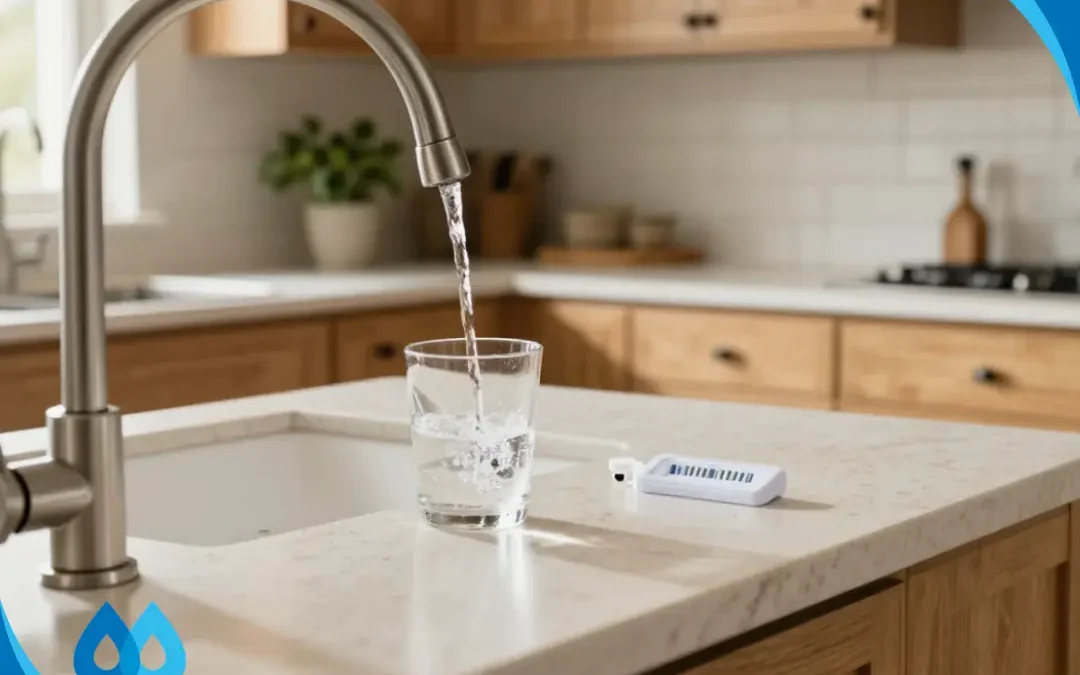
From fire-fighting foam to industrial processes and consumer products, PFAs are around us every day. As these forever chemicals make their way into landfills, groundwater resources, and even water treatment plants, they don’t break down quickly and they’re difficult to destroy. That means that you could be exposed to them, perhaps through contaminated drinking water, without even knowing it.
Since drinking water is one of the most common potential sources of PFA exposure, why not protect your health with a home drinking water system? The Environmental Protection Agency (EPA) has found that high-pressure membranes, such as those found in reverse osmosis (RO) drinking water systems, are an effective way to remove forever chemicals from drinking water.
At RWI Water Systems, we believe that every person deserves access to safe, high-quality drinking water at home, at school, at work, and everywhere else you go on a daily basis. While you may not be able to control your access to safe drinking water in other locations, you certainly can control the quality of your drinking water at home.
We offer a variety of drinking water systems to meet your needs, including RO systems that can provide up to 50 gallons of great-tasting, contaminant-free water every day. It’s never been easier to limit your exposure to forever chemicals and get top-quality water right from your tap!
Simply contact us today and one of our water treatment experts will be happy to explore the water treatment options that can meet your household’s needs. You deserve safe, quality water and we can help!