
You’ve probably heard it countless times: “Drink more water.” Yet for many people, staying hydrated feels like a chore — not because they don’t understand the benefits, but because they genuinely hate the taste of water.
If water smells strange, tastes metallic, chlorine-heavy, or just “off,” it’s no wonder people avoid it. The good news? In most cases, the problem isn’t water itself — it’s what’s in the water. With the right water treatment system and a few habit-building strategies, drinking water can become easy, enjoyable, and healthy.
In this article, we’ll explore:
- Why some people hate drinking water
- Common contaminants that affect your water’s taste and smell
- How water treatment systems from RWI Water Systems can dramatically improve water quality
- Simple tips for building healthy water-drinking habits once your water tastes great
Why Do Some People Hate Drinking Water?
For many people, aversion to drinking water comes down to sensory experience. Taste, smell, and even feelings in the mouth play a major role in whether water seems refreshing or repelling.
5 Common Reasons People Avoid Drinking Water
- Unpleasant taste or odor (chlorine, sulfur, metal)
- Dry mouthfeel caused by high mineral content
- Inconsistent taste from tap to tap or day to day
- Past experiences with bad-tasting water
- Preference for flavored beverages over plain water
When water doesn’t taste good, people naturally reach for soda, juice, coffee, or sports drinks, often consuming excess sugar, caffeine, or additives in the process.
6 Common Contaminants That Affect Your Water’s Taste and Smell

Even when water meets local and national safety standards, it can still contain substances that negatively impact taste and odor. Here are some of the most common culprits:
1. Chlorine and Chloramines
Municipal water suppliers use chlorine and chloramines to disinfect water. While effective for killing bacteria, these chemicals often leave behind:
- A strong chemical or “pool-like” taste
- Unpleasant smell
- Dry feeling in your mouth
2. Sulfur (Hydrogen Sulfide)
Sulfur contamination creates a distinct rotten egg smell, making water extremely unappealing, even if it’s technically safe to drink.
3. Iron and Manganese
These naturally occurring minerals can cause:
- Metallic or bitter taste
- Brown or reddish staining
- Cloudy water appearance
4. Hard Water Minerals (Calcium and Magnesium)
Hard water isn’t dangerous, but it can:
- Leave water tasting chalky or heavy
- Reduce the refreshing feel of drinking water
- Contribute to scale buildup in plumbing and appliances
5. Sediment and Particulates
Sand, dirt, and rust particles can enter water supplies through aging infrastructure, affecting clarity and texture.
6. Volatile Organic Compounds (VOCs)
VOCs can enter water from industrial runoff or household chemicals and may cause:
- Chemical or medicinal taste
- Odors that discourage drinking water
Related article: Contaminants in California Water: How Local Water Quality Affects You
Do You Hate Drinking Water? The Right Water Treatment System Can Make a Difference!
If you hate drinking water, the solution isn’t forcing yourself to drink more — it’s fixing the water. That’s where a local water treatment company like RWI Water Systems comes in.
At RWI, we offer customized water treatment solutions designed to remove taste-affecting contaminants and deliver clean, great-tasting water throughout your home.
Carbon Filtration Systems
Carbon filters are highly effective at removing:
- Chlorine and chloramines
- VOCs
- Bad tastes and odors
Result: Clean, fresh-tasting water that’s actually enjoyable to drink.
Water Softeners
Water softeners reduce calcium and magnesium that cause hard water. Benefits include:
- Improved water taste and smell
- Better hydration experience
- Protection for plumbing and appliances

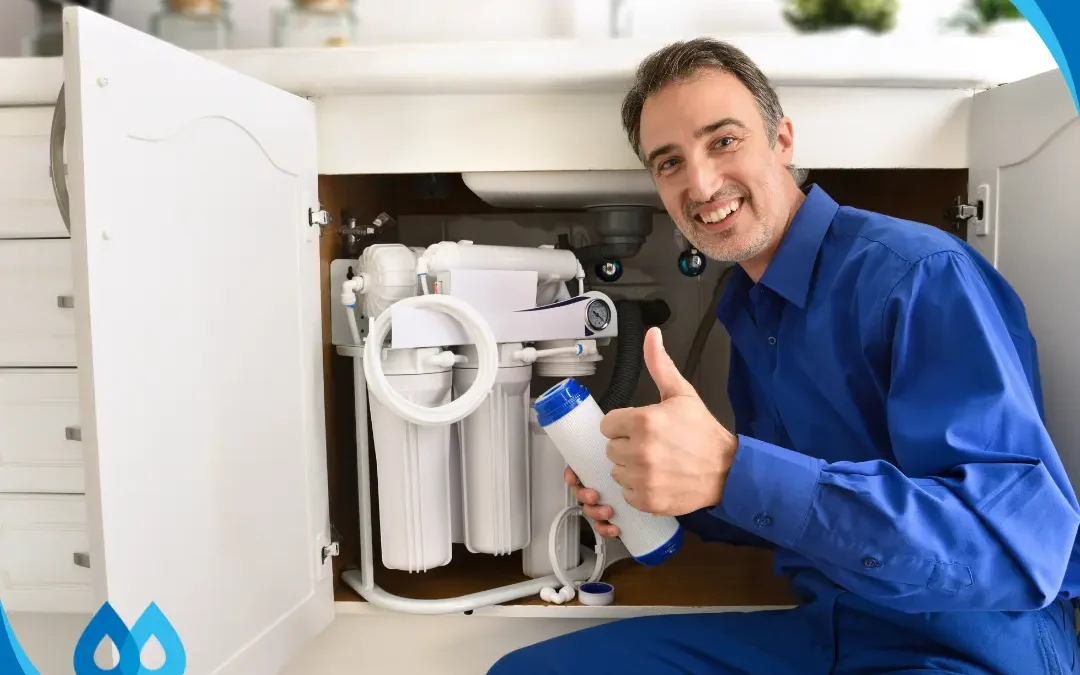
Reverse Osmosis (RO) Drinking Water Systems
For the cleanest, safest drinking water possible, RO systems remove:
- Dissolved solids
- Metals
- Chemical contaminants
- Unwanted tastes and odors
An RO system is perfect for kitchens and dedicated drinking water taps.
Related article: How to Get Clean Drinking Water in California: The Power of Reverse Osmosis
Whole-House Water Treatment Solutions
At RWI Water Systems, we can help you find the whole-house solution that ensures every tap in your home delivers high-quality water, not just the kitchen sink.
Related article: RO System vs. Whole-House Water Filtration: Which is Right for Your Home?
When Water Tastes Good, Drinking More Becomes Easy
Once your water is clean, safe, and free from odd tastes, hydration stops feeling like a struggle. To help build lasting habits, here are simple, effective strategies.
5 Tips for Building Healthy Water-Drinking Habits
1. Make Drinking Water Convenient
Keep filtered water readily available:
- Refillable bottles
- Cold water in the fridge
- Dedicated RO faucet for drinking water
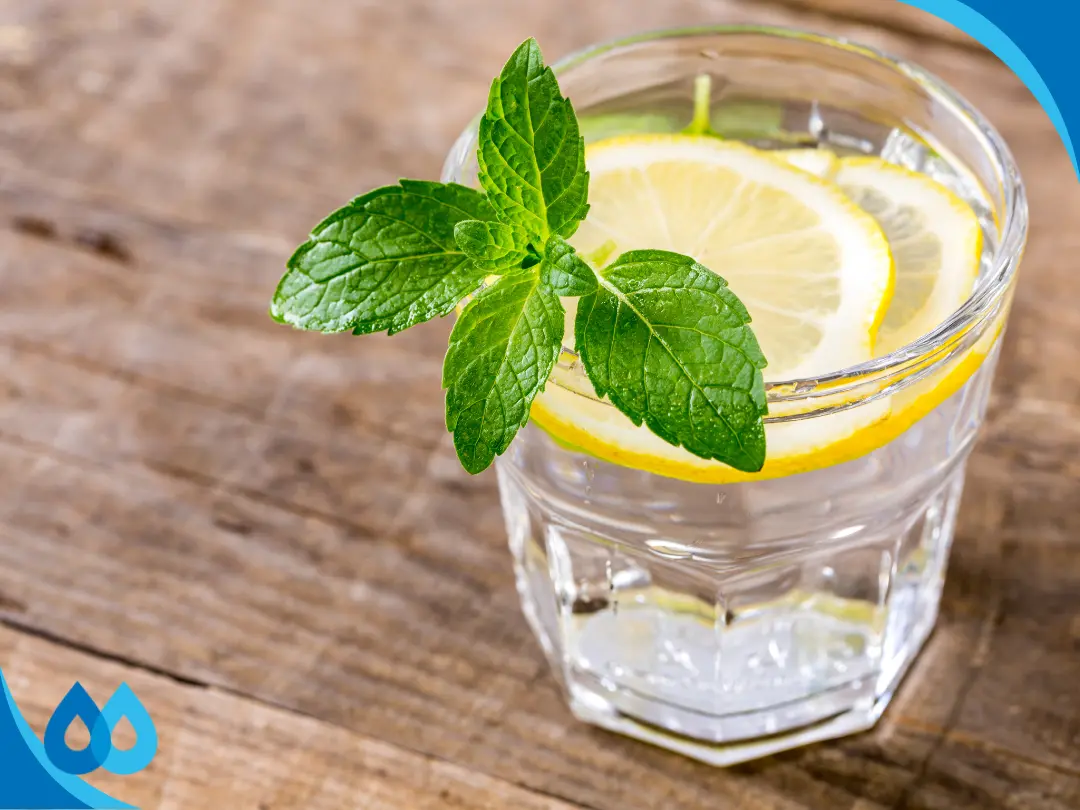
2. Improve the Experience (Naturally)
If you still prefer flavor:
- Add lemon, lime, cucumber, or berries
- Try herbal infusions
- Avoid sugary flavor packets when possible
Related article: Simple Ways to Make Bad Tasting Water Taste Better
3. Drink Water Consistently, Not All at Once
Small sips throughout the day are easier than forcing large amounts at once.
4. Pair Water with Daily Habits You Already Have (Habit Stacking)
Drink water:
- After waking up
- Before meals
- After bathroom breaks
- During workouts or walks
5. Track Your Progress (Temporarily)
Using a marked bottle or app can help you establish awareness. Then, habits take over naturally.
Better-Tasting Water = Better Health
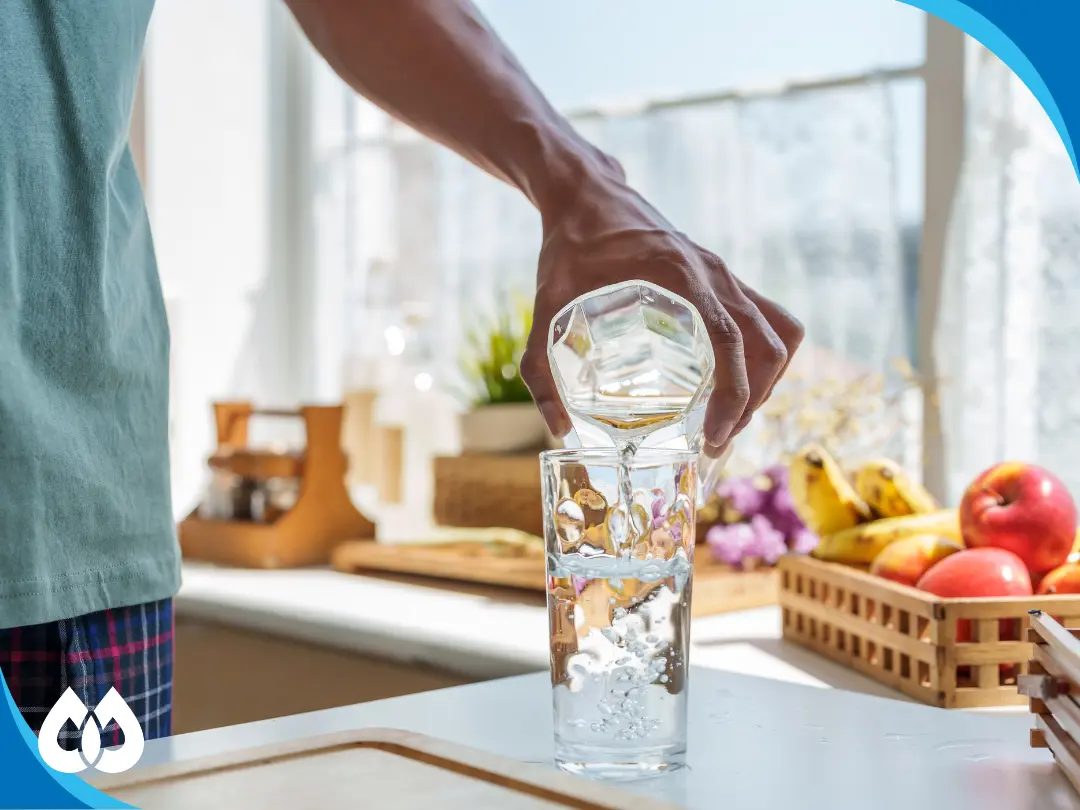
Proper hydration supports:
- Energy levels
- Digestion
- Joint health
- Skin health
- Cognitive function
- And more
But none of those benefits matter if you avoid drinking water because it tastes bad.
Related article: The Health Benefits of Drinking Water: How Staying Hydrated Does Your Body Good
If you’re struggling to drink enough water, don’t blame yourself — fix the water first.
The Bottom Line: You Don’t Hate Drinking Water — You Hate Drinking Bad Water
Most people who “hate drinking water” simply haven’t experienced truly clean, great-tasting water. With the right water treatment system from RWI Water Systems, water can become something you want to drink — not something you force yourself to consume.
If you’re ready to improve your water quality, hydration, and overall health, start by exploring professional water treatment solutions designed specifically for your home. Contact us today to find the best solution for YOUR home.