
Great-tasting drinking water in this economy? Yes, you heard that right!
The terms “healthy” and “cost-effective” aren’t often used in the same sentence, but it’s possible to achieve a lifestyle that is BOTH with an advanced water filtration system. For a while now, the most popular water filtration systems have been reverse osmosis (RO) and water softeners. Although installing either of these systems would be a game-changer for your home, each provides different benefits and addresses different water quality concerns.
Choosing the right water filter for your home means considering the upfront costs, long-term savings, and the incredible return on investment they can offer.
Understanding reverse osmosis water filtration
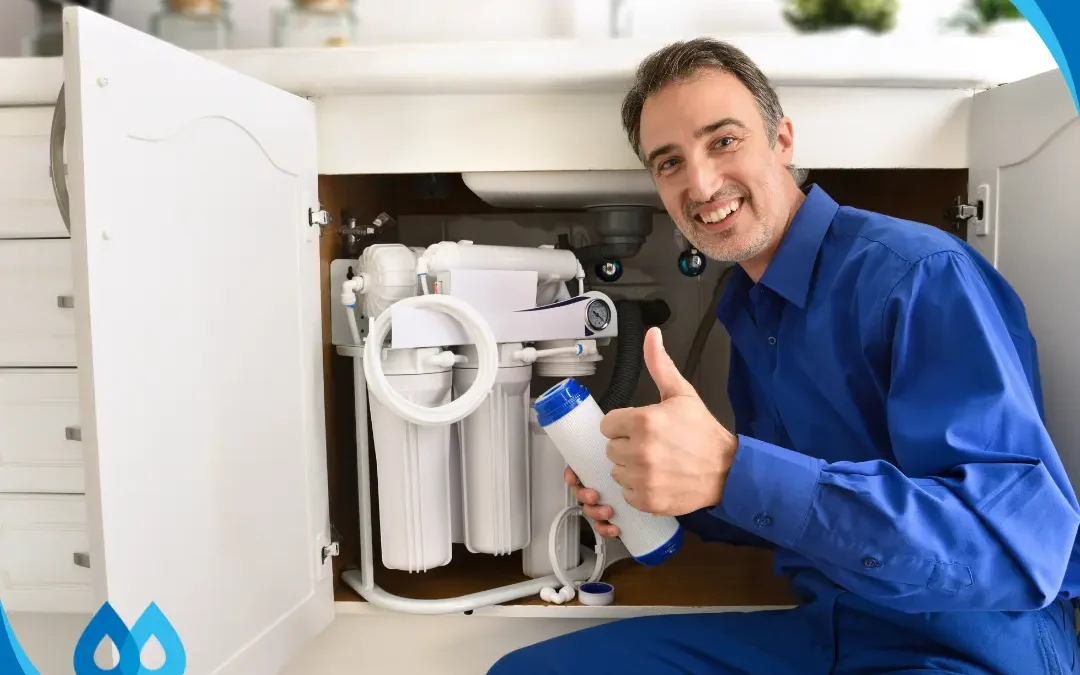
Reverse osmosis is the gold standard for water purification. The RO filtration process pushes water through a semipermeable membrane to remove contaminants. The result is the best-tasting drinking water, free from impurities like minerals, heavy metals, and other contaminants. Reverse osmosis is favored by municipal water treatments and desalination efforts for its effectiveness — the process can remove up to 99% of water contaminants.
What is the cost of a RO filtration system?
A point-of-use RO filtration system might cost anywhere from $500 to $1,500, not to mention the installation. On the other hand, a whole-house RO filtration system can have a higher upfront cost but the long-term savings will be substantially more. If you want the purified water to be distributed throughout your home, you can expect to spend $5,000 for the whole house system.
How much can you save with a reverse osmosis filtration system?
- By eliminating the need for plastic water bottles, the average American saves $1,350 each year.
- By extending the life of your plumbing system and household appliances, you save on repairs and replacements.
- Reducing your exposure to water contaminants can lower your risk of health issues and may help you save on medical expenses.
Understanding water softeners
Hard water, characterized by a high mineral content, is a problem for most American households. Water softeners combat these problems by removing the magnesium and calcium ions from the water – goodbye soap scum and spotty dishes!
There are many advantages to having a water softener in your home, including increased appliance protection, reduced limescale residue, and higher household efficiency, which for many homes translates to lower utility bills.
How much does a water softener cost?
The average cost for water softeners is $1,500, but a professional installation can cost upwards of $3,000. To experience the benefits of soft water without the commitment, portable exchange tanks provide a renter-friendly option at a monthly rate.
How do water softeners save you money?
A quality water softener is intended to last more than 15 years and may have a higher upfront cost. However, the long-term savings of water softeners soon become obvious.
- Installing a water softener in your home will extend the lifespan of your appliances and save on maintenance costs over time.
- A water softener contributes to more efficient cleaning which means less soap and cleaning products used.
- Softened water is gentle on laundry and helps to preserve the quality of your garments while providing the deepest clean.
Considering the ROI of water filtration systems
When evaluating the return on investment of reverse osmosis filtration systems and water softeners, don’t forget about the holistic benefits. Over time, the benefits work together to improve your overall quality of life.
- Water filters safeguard your health and promote wellness.
- Water filtration systems help homes consume less energy and become more energy efficient.
- Water filtration systems can enhance your property value.
Installing advanced water filtration systems like reverse osmosis and water softeners in the home always pays off! Clean water is an investment in your health, home, finances — and even your future.
While the upfront cost of a quality water filtration system may require some consideration, the long-term advantages and ROI make both of these systems an invaluable addition to any household. Make a conscious choice to transform your water quality and experience the benefits that come now— and later!
Choosing the right water filtration system with RWI
The best part about finding an advanced water filtration system is finding one that fits YOU. When choosing a filtration system, think about your water supply quality concerns. Do you have private well water? Do you have constant water contaminations or high levels of water hardness where you live? Consider the size of your household and its specific needs, along with your current drinking water system. An RWI professional can help you find a system that checks your list while staying under budget. Contact us today for more information!