Did you ever think you’d see the day when sewer water would become a possible drinking water source? Well, the drought conditions in a few Texas areas have caused enough concern, like here in California, as well as drastic measures. This solution is known as the “toilet-to-tap” method, treating sewer water as a supply for drinking water.
 According to a recent article from Natural News and a CBS News affiliate in Dallas-Fort Worth, one North Texas community may serve up recycled sewer water to residents because of prolonged dry conditions in the region. The town is getting desperate to supply water to residents. The report states that Lake Arrowhead clearly shows the severity of the drought. It is one of the town’s main water sources but only sits at about 27% capacity. What will you do if your town’s main water source is exhausted?
Officials have to consider more severe water restrictions each time the water levels of the lake drop. There have been many conservation efforts in place, and the city water usage is said to have from between 45 and 50 million gallons of water each day before the drought, but are down to 12 million gallons a day now. The problem is that the water savings still aren’t enough. The region is used to droughts and they have been planning for these dire conditions for the last few years. One plan, previously ignored but now brought to the forefront, was taking water straight from the waste treatment facility and sending it to the water treatment plant for additional cleaning, then into the water system. Sounds gross, but as Discovery News pointed out, NASA uses an even more direct toilet-to-tap system on the space station.
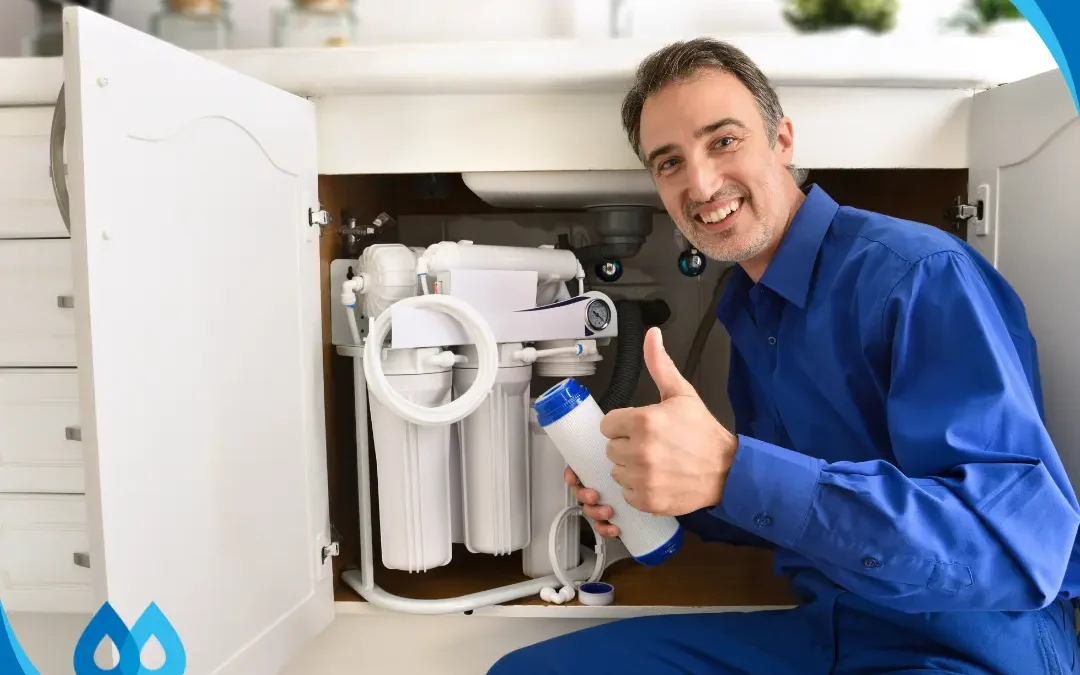
Are other areas ready for this solution as well? How effective is it turning the wastewater into something that residents would be able to drink or want to drink? Would you let your children drink this water? If this solution is used in your area, you may want to have a plan in place. Relying on sewer water doesn’t sound good enough and it probably shouldn’t. Residents can make this type of drinking water better by installing one of our drinking water systems. A home water filter can help provide your household with a continuous supply of safe drinking water right from your tap and ensure that no matter what plan our local officials have for conserving water, we are prepared to filter contaminants and conserve water right within our own homes. Savings and solutions – that’s what we do!