There is so much we need to know about nitrates in drinking water, but how much are we really taught? How much can you say that you actually know about these ions and their potential risk to your drinking water? We don’t think consumers are told enough and we want to tell you a little bit more than what the average person may know about nitrates and nitrites in drinking water.
First off, it is important to know what nitrates are before getting into too much detail. Nitrates are chemical compounds which are naturally-occurring in things like our fruits, vegetables and animal products. But nitrates are also found in water in many places due to poor agriculture practices. Nitrates are too often found in water in part because of fertilizers and even livestock waste. While nitrates are a normal part of the diet, excessive levels can cause problems. They have been linked to diseases like leukemia, non-Hodgkin lymphoma, and ovarian, colon, rectal, bladder, stomach, esophageal, pancreatic, and thyroid cancer.
Do you live near any agriculture? You are at higher risk because according to the EPA, the greatest use of nitrates is as a fertilizer. Once taken into the body, nitrates are converted to nitrites. A clean, safe supply of drinking water is essential to good public health. In this country we are so accustomed to a safe, plentiful supply of water that we sometimes ignore possible threats to that water supply until they become public health problems.
High concentrations of nitrate contamination are also very dangerous to infants. In high doses exceeding the 10 milligrams per liter mg/L limit set forth by the federal government, then a life-threatening condition in infants called methemoglobinemia can happen. This can be particularly dangerous to children less than 6 months old and pregnant women. Methemoglobinemia is caused when nitrates from contaminated water reduce the blood’s ability to carry oxygen. This illness is referred to as “blue baby syndrome” because it causes a blue tint in the infant’s skin from to the lack of oxygen in the blood and tissue within their body.
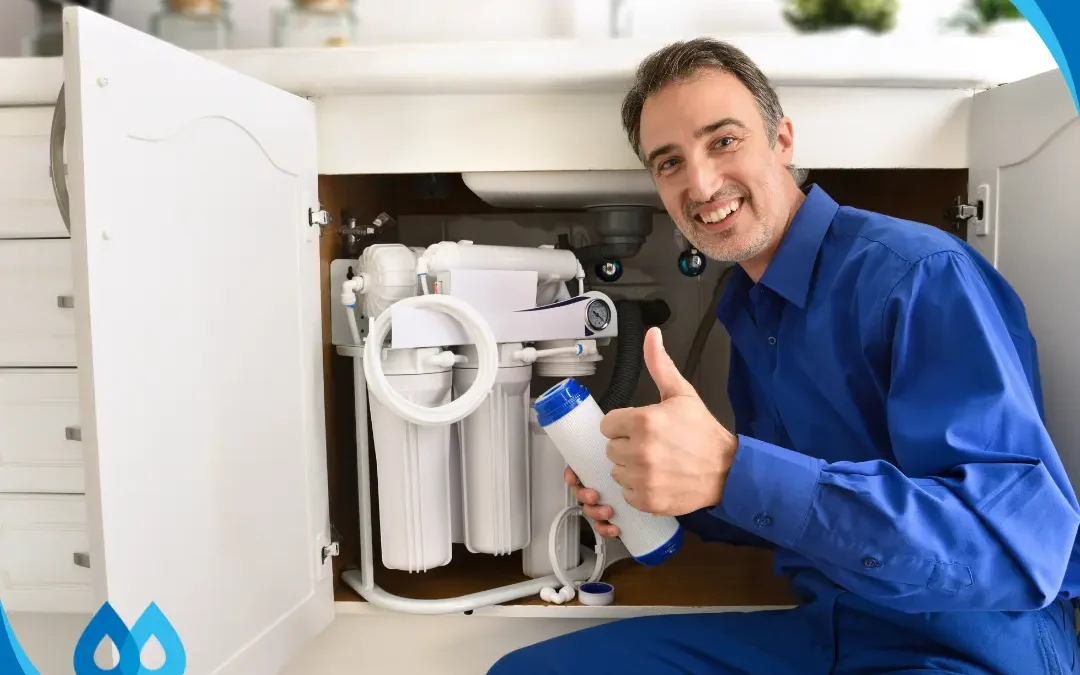
Both residents with community water systems and private wells should be on the lookout for nitrates. Regular testing of wells as well as reading water reports in your area can help to prevent potential health hazards. If there are high levels of nitrates in your water, we recommend that you avoid drinking the water and install a home drinking water system. Our RWI Water Systems water filters, for examle, can eliminate these levels of nitrates and provide your household with a clean supply of safe drinking water. Your water quality depends on the quality of treatment. RWI Water Systems will help you get the water quality you and your family deserve!