This week is Medication Safety Week. This observance was founded by the Women’s Heart Foundation in an attempt to bring attention to the fact that improper usage of medications is the 6th leading cause of death. Here at RWI Water Systems Water Systems, we won’t pretend to advise you on how to take, store, or organize your medicines – we’ll leave that to the experts. We do, however, want to call your attention to the proper way to dispose of your outdated or unused medicines because that can affect everyone in your neighborhood!
When I was a child, it was a common and acceptable practice to dump unused or outdated medicines down the toilet. The main purpose for this was to ensure that they didn’t fall into the hands of the wrong person who might consume them. Little did we know, we were simply watering them down and feeding them to everyone in the area! That’s right, when a pill is flushed, it dissolves into the water, is sent to the waste water plant where it is treated enough to be released as groundwater. Unfortunately, it’s not treated completely enough to remove the dissolved medicine. That groundwater flows into rivers and streams, medicating the fish and frogs, and eventually is pulled into the public water system again. Amazingly enough, traces of that original pill (and all the pills that our neighbors flushed) are still in the water, and the molecules are small enough that they pass through most of the municipal water treatment processes.
This has become a very concerning problem since a significant portion of our population is on birth control, antibiotics, mood-altering drugs, heart medicine, and so forth. The cocktail of drugs entering the water ways is truly scary! At this point, there is no EPA regulation about a “safe” limit on the amount that can be present in public drinking water systems. Some argue that the amount of drugs present in water is small enough that they can’t pose a health risk, but research shows that male fish are beginning to develop ovaries, likely from estrogen and birth control pills. If it does that to a fish, do you really want to take the chance?
This week, as you observe Medication Safety Week, clean out your medicine cabinet. Get rid of the expired, the unidentifiable, and the unused. But, don’t flush! Instead, take advantage of community drug take-back programs or if no program is available in your area, take them to your local law enforcement agency. If these options are not plausible, take the pills out of the original container and mix them with an undesirable substance such as used coffee grounds or kitty litter, and place the mixture in a sealable bag or can. This will make the pills unrecognizable to children or people who may intentionally go through your trash.
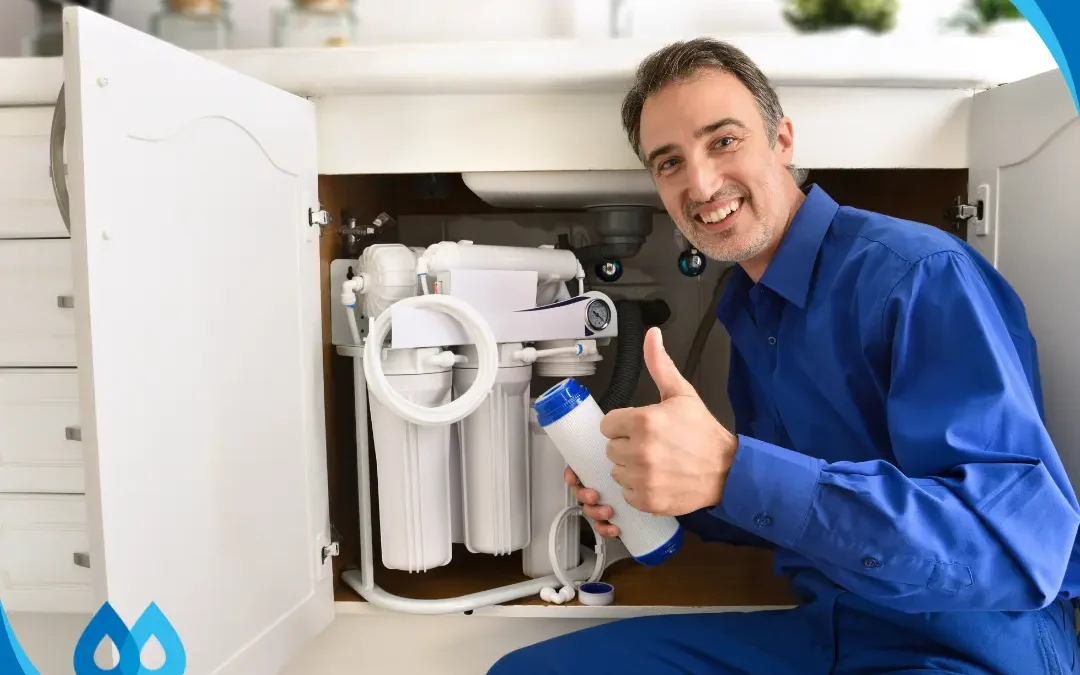
Then, to protect your family from the unknown in your drinking water, learn more about water filters, reverse osmosis systems, water coolers, and other residential water treatment options. These are your last line of defense against a cocktail of unprescribed drugs.