It is a fact that drinking water throughout the day keeps you hydrated and has a multitude of health benefits. But where does our daily intake of water come from? Since the majority of us cannot be around the kitchen sink all day long, many Americans resort to the convenience of grabbing some sort of bottled water and going on their merry way. Companies such as Pepsi and Coke are raking in the profits considering their brands Aquafina and Dasani hold almost 25% of the market share. Herein lies the problem however; despite the fact that we are reaping the benefits of drinking water and companies are making a hefty profit, our environment is suffering a huge consequence.
Water bottle waste has been all over the news lately, with conservationists bringing to light the huge impact plastic water bottles are having on landfills. Considering that it takes over 1000 years for a plastic bottle to biodegrade, and we are adding to the 2 million tons of existing plastic bottle waste every day, the impact is astounding. Unfortunately, the dilemma doesn’t end there.
Let’s look at the conception of the water bottle. The plastic must be made, which means drilling for oil, then there is packaging, which uses paper and boxes and a host of other materials that require the use of water. The manufacturing facilities themselves and the equipment used to run bottles through the assembly and filling lines impact both their carbon footprint as well as their water footprint. When it’s all said and done, the amount of water used to create and then fill the water bottle is easily six to seven times more than the actual water in the bottle itself!
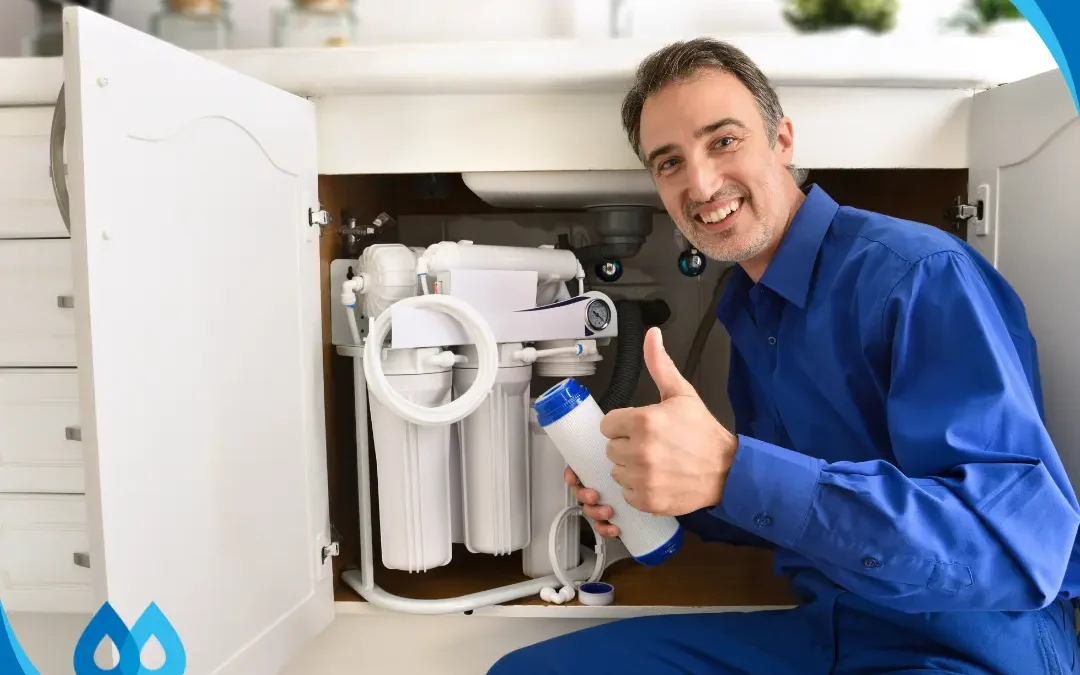
The solution to this predicament is incredibly easy. It might take a little foresight and diligence, but it is worth it to end this insane water waste. Sure, grabbing a bottle as you are running out the door is convenient, but really, how much longer does it take to stop by the cupboard, grab a reusable bottle and fill it up at the tap? I would wager to say that it takes about 30 seconds longer and when you consider that you don’t have to make a trip to the store to buy bottles of water, it could actually net out as faster. Furthermore, if you have a water filter system in your home, the water from your tap is even healthier than what you can find in a bottle. So not only are you being health conscious, you are also helping to conserve a precious commodity.