
The fracking boom in America is alive and well going into 2017. Back in 2000 when fracking first came on the scene, there were roughly 23,000 fracking wells. Fast forward to 2016, and there is a whopping 300,000 fracking wells pumping out oil in the United States. Currently, fracking contributes nearly half of all U.S. oil output. There has been a lot of controversy surrounding fracking through the years as to both its environmental safety and its impact on drinking water – this controversy is continuing still today.
A comprehensive study that began in 2010, has reversed it’s one time statement that “there is no evidence that fracking systemically contaminates water.” In the final version of the study, EPA scientists chose not to include that sentence, they concluded that it could not be quantitatively supported. Madeleine Foote, the legal representative for the League of Conservation Voters stated that “this report acknowledges what far too many communities across this country know to be true – fracking is a threat to our clean drinking water.”
There have been numerous reports through the years, which state that fracking is linked to air pollution, groundwater contamination, surface water pollution and health problems. Fracking releases benzene, ethylbenzene, toluene and n-hexane into the air. Long term exposure to these chemicals have been linked to cancer, neurological problems, blood disorders and birth defects.
One of the scariest concerns with fracking is that companies are exempt from some requirements of the Safe Drinking Water Act, most notably, the requirement to disclose the chemicals that are used in the well injections. Another report noted that drinking water near fracking wells had levels of methane that were considered dangerous and required hazard mitigation action as defined by the U.S. Department of Interior.
Due to the nature of fracking, and the process of injecting liquid at high pressure into subterranean rocks and boreholes etc., another grave concern is earthquakes. Currently, fracking is being investigated as the root cause of earthquakes in Texas and Oklahoma. Scientists are also looking to fracking as the reason for an increase in seismic activity in several states.
With the new administration in the White House, it is anticipated that there will be even more fracking wells being drilled in the coming years, and with even fewer regulations. This should be a concern to all of us. While studies haven’t definitely determined the impact of fracking wells on water contamination, evidence is certainly pointing in that direction.
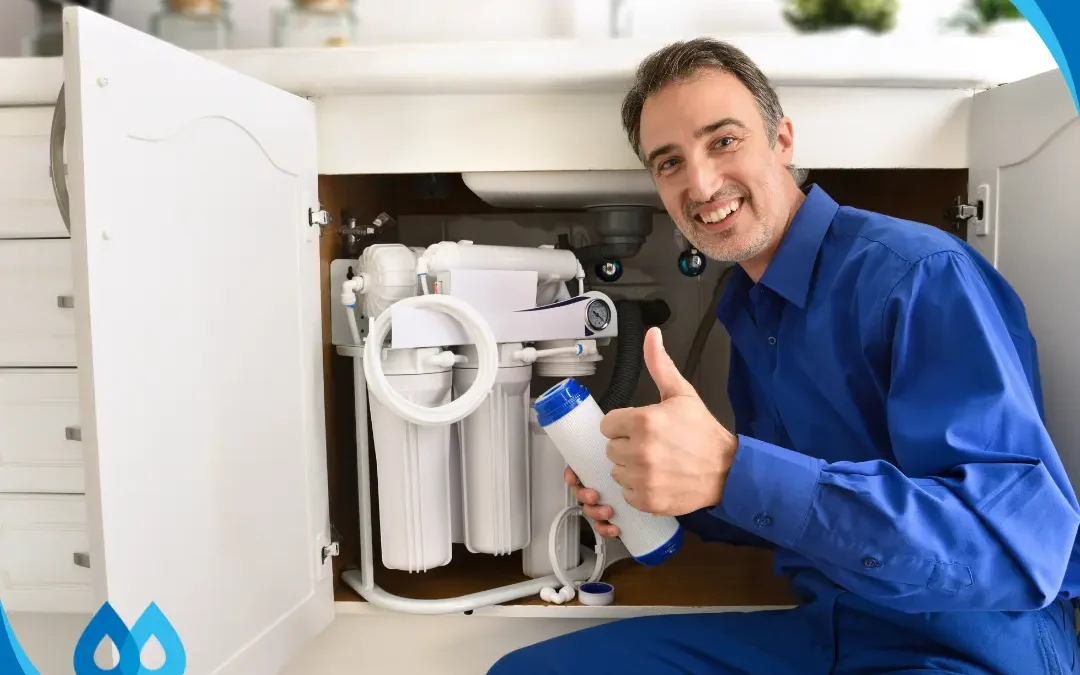
We need to take steps now to ensure that the drinking water coming out of our taps is as safe and contaminate free as possible. Water contamination can happen too easily and none of us can afford the drastic consequences. A home water filtration system will help to ensure that you and your family are drinking the cleanest and safest water possible. Check out our website to see what filtration products are right for you and your family.