Bottled water, once hailed as a convenient solution for on-the-go hydration, has come under scrutiny in recent years due to its significant environmental impact. While the convenience of bottled water is undeniable, the environmental cost extends far beyond the plastic bottles themselves.
In this blog, we’ll explore the various ways in which bottled water contributes to environmental degradation and offer sustainable alternatives for conscientious consumers.
4 Key Areas Where Bottled Water Has a Negative Environmental Impact
1. The Plastic Predicament
Plastic bottles, typically made from polyethylene terephthalate (PET), are a ubiquitous feature of the bottled water industry. However, their convenience belies a darker truth: plastic pollution. Each year, millions of tons of plastic waste end up in landfills, waterways, and oceans. Here, they persist for hundreds of years, leaching harmful chemicals and endangering marine life.
2. Energy Consumption
Producing and transporting bottled water requires vast amounts of energy. From extracting and purifying the water to manufacturing the bottles and delivering them to consumers, the process entails significant carbon emissions. Moreover, many bottled water brands source their water from remote locations. This results in increased transportation emissions and potentially contributes to climate change.
3. Water Scarcity
Ironically, the bottled water industry exacerbates the very problem it claims to solve: water scarcity. By commodifying water and bottling it for profit, companies exploit finite resources. This often depletes aquifers and negatively impacts local communities’ access to clean water. This disparity is especially egregious in regions where access to safe drinking water is already limited.
4. A False Sense of Purity
Despite marketing claims of purity and superiority, bottled water is not necessarily safer or cleaner than tap water. In fact, studies have revealed that many bottled water brands simply repackage municipal tap water, subjecting it to minimal filtration before bottling. Additionally, the lack of stringent regulations and oversight in the bottled water industry raises concerns about water quality and safety.
Are There Sustainable Solutions That Offer an Alternative to Bottled Water?
The short answer is YES!!
There ARE sustainable alternatives to bottled water that prioritize environmental stewardship and public health. For example, investing in reusable water bottles made from stainless steel, glass, or BPA-free plastic reduces plastic waste but also promotes long-term hydration habits. In addition, utilizing water filtration systems at home or in public spaces ensures access to clean, safe water without the need for single-use bottles.
There’s no question that bottled water may offer convenience, but its environmental toll is undeniable. From plastic pollution and energy consumption to water scarcity and questionable quality, the hidden costs of bottled water far outweigh its perceived benefits. By embracing reusable alternatives and advocating for sustainable solutions, we can quench our thirst for convenience without compromising the health of our planet.
Ditch the Bottled Water Habit with a Home Drinking Water System From RWI Water Systems
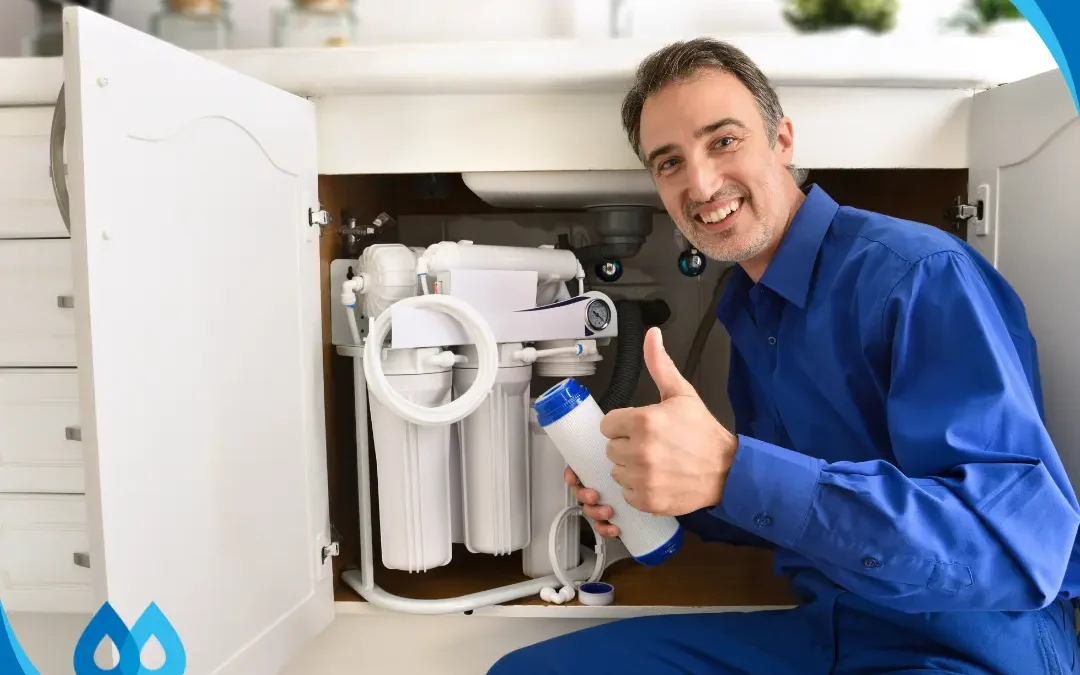
While you may have little control over what everyone else does, you DO have control over how water is consumed in your own home. Make bottled water a thing of the past with a home drinking water system from RWI. Our reverse osmosis systems provide easy and unlimited access to safe, great-tasting water right from your tap. Fill up your favorite reusable bottle and enjoy the convenience of clean water without the negative environmental impact.
Ready to do your part to drive change and ensure a brighter, more sustainable future for all? Contact us today to explore affordable drinking water systems for YOUR home!