If you live in North County, California, you may already be familiar with the problems associated with hard water. Mineral buildup around faucets, spots on fixtures and glassware, scale inside water-using appliances, and water that simply doesn’t feel or taste the way you’d like can all prompt homeowners to start looking for a water treatment solution.
A traditional water softener is one option, but it isn’t necessarily the right choice for every household.
Perhaps you don’t want to continually purchase and refill bags of salt. Maybe you’re concerned about adding sodium to your household water. Or, your home may not be well suited for a traditional softener because of installation, drainage, or other requirements.
That’s where a whole house no salt water conditioner can be an excellent alternative.
At RWI Water Systems, we offer whole house no salt conditioners designed to improve water quality and provide scale and corrosion protection without the salt requirements of a conventional water softener. For homeowners throughout Oceanside, Vista, Carlsbad, Escondido, San Marcos, Fallbrook, Bonsall, La Costa, Camp Pendleton, and surrounding North County communities, it can be a convenient way to improve water throughout the entire home.
What Is a Whole House No Salt Water Conditioner?
A whole house no salt water conditioner is a water treatment system installed where water enters your home. Instead of treating just the water coming from a particular faucet, it conditions water before it travels throughout the home’s plumbing system.
The biggest difference between a no salt conditioner and a traditional water softener is how the system addresses hard water minerals.
Traditional ion-exchange water softeners remove hardness minerals such as calcium and magnesium and exchange them for sodium or potassium ions.
A no salt conditioner takes a different approach. Rather than removing hardness minerals from the water, the conditioning process changes how those minerals behave. That way, they’re less likely to form hard scale deposits on plumbing, fixtures, and water-using appliances. RWI’s no salt systems use a multi-media treatment bed, eliminating the need to continually refill salt, potassium, or traditional filter cartridges.
That distinction is important because a salt-free conditioner conditions hard water—it doesn’t technically soften it in the same way as an ion-exchange water softener.
Why Consider a No Salt Water Conditioner in North County?
Hard water is a common concern for North County homeowners. It contains dissolved calcium and magnesium, which can leave mineral deposits behind as water moves through and evaporates around your home.
Over time, mineral scale can affect areas such as:
- Faucets and showerheads
- Plumbing fixtures
- Water heaters
- Dishwashers
- Washing machines
- Glass shower doors
- Sinks and tubs
- Other water-using appliances
If your primary goal is controlling scale without installing a traditional salt-based softener, a whole house no salt water conditioner may be worth considering.
7 Benefits of a Whole House No Salt Water Conditioner
1. Reduce Scale Buildup Throughout Your Home
One of the most important reasons to consider salt-free conditioning is scale protection.
Because no salt conditioners alter how hardness minerals behave rather than removing them, those minerals are less likely to attach to surfaces and form stubborn scale. This can provide added protection for your plumbing fixtures and water-using appliances.
2. No Bags of Salt to Buy or Carry
Anyone who has owned a conventional water softener knows that salt doesn’t refill itself.
Depending on your system and household water consumption, you may need to regularly purchase heavy bags of salt or potassium and add them to the system.
A salt-free water conditioner eliminates this chore. There’s no brine tank to continually refill with water softener salt or potassium.
For homeowners looking for a lower-maintenance approach to hard water treatment, this convenience can be a significant advantage.
3. No Added Sodium
Traditional ion-exchange softening works by exchanging calcium and magnesium ions for sodium or, in some systems, potassium.
A no salt conditioner doesn’t perform this ion exchange. The hardness minerals remain in the water, but their behavior is altered to help reduce scale formation.
For homeowners specifically looking for a water treatment system that doesn’t add sodium to their water, this can make salt-free conditioning especially appealing.
4. Whole House Water Treatment
A countertop filter or under-the-sink drinking water system treats water at a specific location.
A whole house conditioner takes a broader approach. Because the system treats water as it enters your home, conditioned water is distributed to faucets, showers, fixtures, and water-using appliances throughout the house.
This makes it particularly useful when your primary concern isn’t limited to drinking water but includes scale, plumbing, fixtures, bathing, and general household water quality.
5. Improve Your Water’s Taste and Odor
Depending on the system and your home’s incoming water quality, whole house conditioning can also help address aesthetic water concerns.
Our whole house no salt conditioners are designed to improve taste, reduce odors, and provide cleaner, clearer water throughout the home.
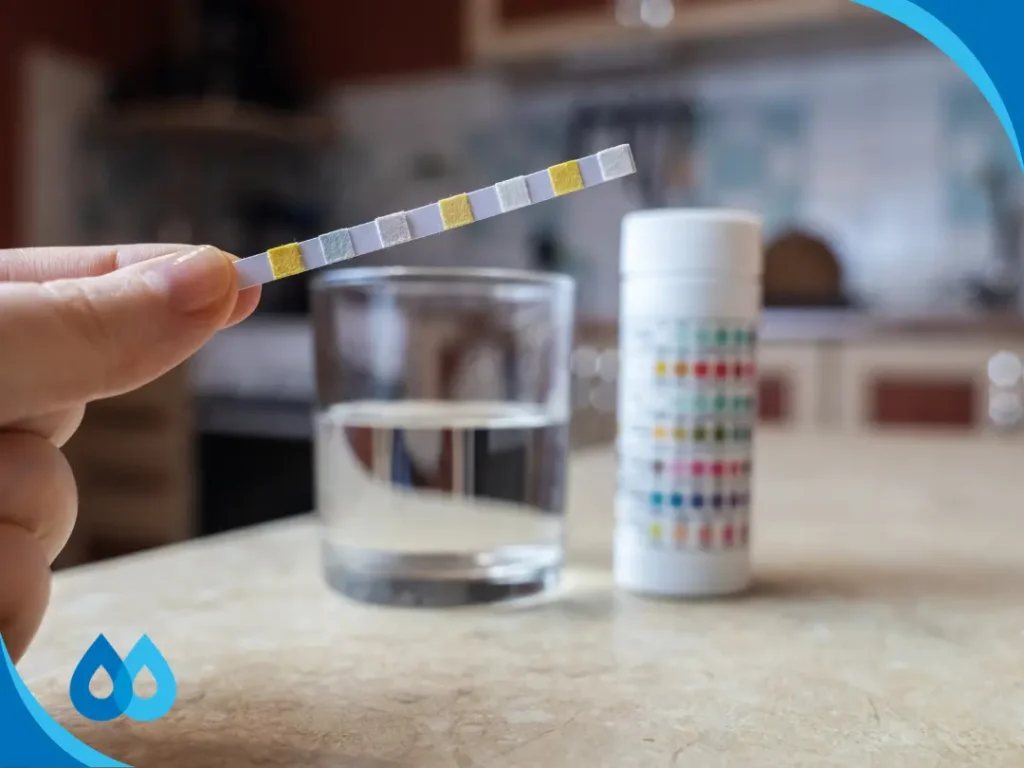
NOTE: If unpleasant taste or odor is one of your concerns, it’s important to have your water evaluated first so you can determine what’s actually causing the problem and which treatment method is appropriate.
6. Environmentally Friendly Water Treatment
For homeowners interested in reducing salt use and wastewater associated with conventional softener regeneration, no salt conditioning offers another advantage.
Because these systems don’t require homeowners to continually regenerate a resin bed with salt, they avoid the recurring salt requirements associated with traditional automatic softeners.
7. Flexible Installation Options
Not every home has the ideal setup for a traditional water softener.
At RWI, our no salt conditioners don’t require electricity or a drain, potentially making salt-free conditioning practical for homes where a conventional automatic softener isn’t a good fit.
The appropriate system and installation will depend on your home’s plumbing, available space, water usage, and water quality.
What Does a Whole House No Salt Water Conditioner NOT Do?
Understanding what a salt-free conditioner doesn’t do is just as important as understanding its benefits.
It Doesn’t Remove Hardness Minerals
A no salt conditioner isn’t the same thing as a traditional water softener.
Calcium and magnesium remain in the water. Instead of removing them, the conditioning process changes how those minerals behave to help prevent them from forming scale.
If your primary goal is to actually remove hardness minerals and achieve conventionally softened water, a traditional automatic softener or our water softener exchange tank service may be more appropriate.
It Doesn’t Necessarily Remove Dissolved Contaminants
A whole house no salt conditioner also shouldn’t be confused with a reverse osmosis drinking water system.
For example, if you’re concerned about total dissolved solids (TDS) or specific dissolved contaminants, a different treatment technology may be required.
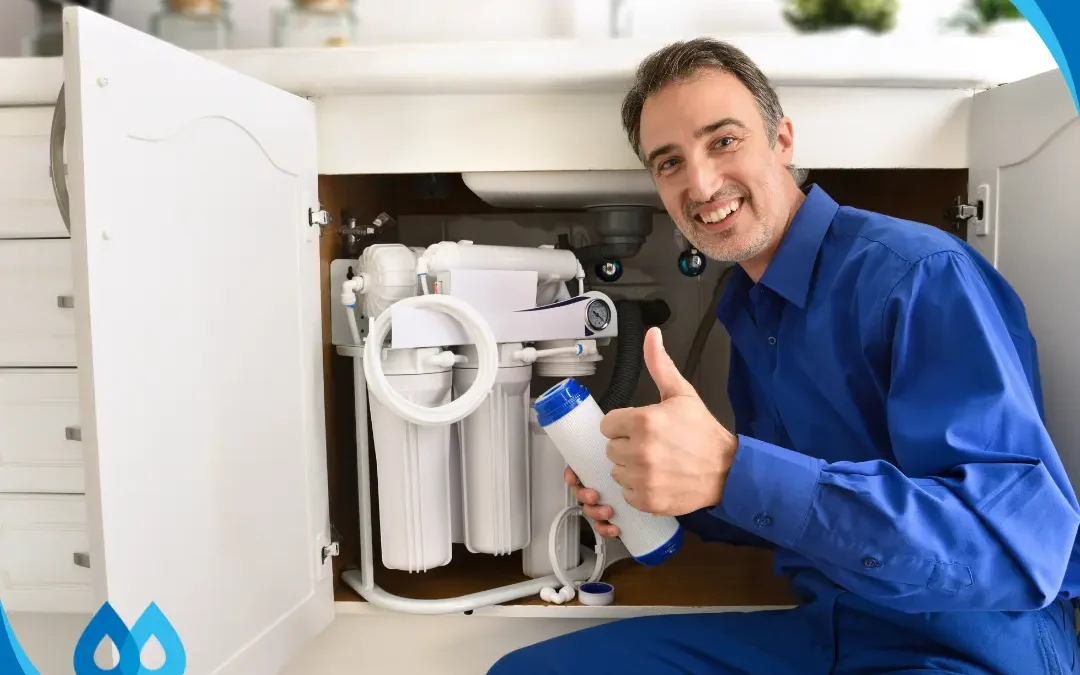
At RWI, we offer reverse osmosis systems designed to reduce unwanted dissolved minerals and contaminants and provide clean, great-tasting drinking water at a dedicated faucet.
That’s why professional water testing is so valuable. The best treatment system depends on what is actually in your water and what you’re trying to accomplish.
No Salt Water Conditioner vs. Traditional Water Softener: What’s the Difference?
Although the terms are sometimes used interchangeably, these technologies aren’t identical.
Traditional water softener: Removes calcium and magnesium hardness through ion exchange and replaces those ions with sodium or potassium.
Whole house no salt conditioner: Leaves hardness minerals in the water but conditions them to reduce their ability to create scale.
Salt requirements: Traditional softeners generally require salt or potassium for regeneration; no salt conditioners do not.
Scale protection: Both approaches can address scale-related concerns, although they accomplish this in different ways.
Hardness removal: Traditional softeners remove hardness minerals; no salt conditioners do not.
Maintenance: No salt conditioners eliminate the recurring job of purchasing and adding softener salt.
Neither option is automatically right for every home. Your ideal system depends on your water chemistry, household water usage, installation requirements, maintenance preferences, and what you want to change about your water.
Who Is a Good Candidate for a Whole House No Salt Conditioner?
A salt-free system may be particularly attractive if you:
- Have concerns about scale buildup in your home
- Want to protect plumbing fixtures and water-using appliances
- Don’t want to continually buy or refill water softener salt
- Prefer not to add sodium through conventional ion-exchange softening
- Want a low-maintenance whole house solution
- Don’t have a convenient drain or electrical connection for a conventional system
- Want to improve water quality at faucets and fixtures throughout your home
- Are looking for an environmentally friendly alternative to a traditional automatic water softener
However, homeowners who specifically want hardness minerals removed from their water may be better served by a conventional softening solution.
The key is matching the technology to the actual water problem.
Frequently Asked Questions About Whole House No Salt Water Conditioners
Does a no salt water conditioner actually soften water?
Not in the technical sense. Traditional water softeners remove calcium and magnesium through ion exchange. A no salt conditioner leaves these minerals in the water but changes how they behave to reduce scale formation.
That’s why “water conditioner” is generally the more accurate term.
Will a salt-free conditioner prevent scale?
Scale protection is one of the primary purposes of these systems. Our whole house no salt conditioners are designed to help protect fixtures and water-using appliances from scale and corrosion.
Results can depend on incoming water chemistry, which is one reason evaluating your water before selecting equipment is important.
Will I still see water spots?
Possibly. Because calcium and magnesium aren’t physically removed from the water, some mineral residue or spotting may remain when water evaporates.
A no salt conditioner is designed primarily to change how those minerals form scale—not eliminate the minerals themselves.
If eliminating the effects of hardness as completely as possible is your goal, ask us whether a traditional softener or exchange tank system would better fit your needs.
Is a no salt conditioner the same as a whole house water filter?
Not necessarily.
“Water conditioning” and “water filtration” describe different treatment objectives. Conditioning can address issues such as scale formation, while filtration technologies may be designed to reduce specific substances in the water.
Before choosing a system, identify exactly what you want removed, reduced, or changed.
Does a no salt conditioner replace reverse osmosis?
No. These systems solve different problems.
A whole house no salt conditioner primarily helps address scale and other household water quality concerns without traditional salt-based softening.
Reverse osmosis is designed to reduce dissolved substances from drinking water. At RWI, our residential RO systems are capable of producing up to 50 gallons of treated drinking water per day, with options such as connecting the system to an ice maker.
For some households, combining whole house treatment with a point-of-use RO system can address different water quality goals.
How do I know whether I need a water softener, conditioner, or filtration system?
Start with your water.
A professional water test can identify water hardness and other characteristics that should guide your treatment decision. Choosing equipment before understanding your water can result in treating the wrong problem or paying for technology you don’t need.
Find the Right Water Treatment Solution for Your North County Home
There isn’t one water treatment system that’s ideal for every North County household.
One homeowner may want traditional softened water and choose an automatic water softener. Another may prefer the convenience of a water softener exchange tank service. Someone else may primarily want scale protection without salt and choose a whole house no salt water conditioner. And a family focused on high-quality drinking and cooking water may benefit from a reverse osmosis system.
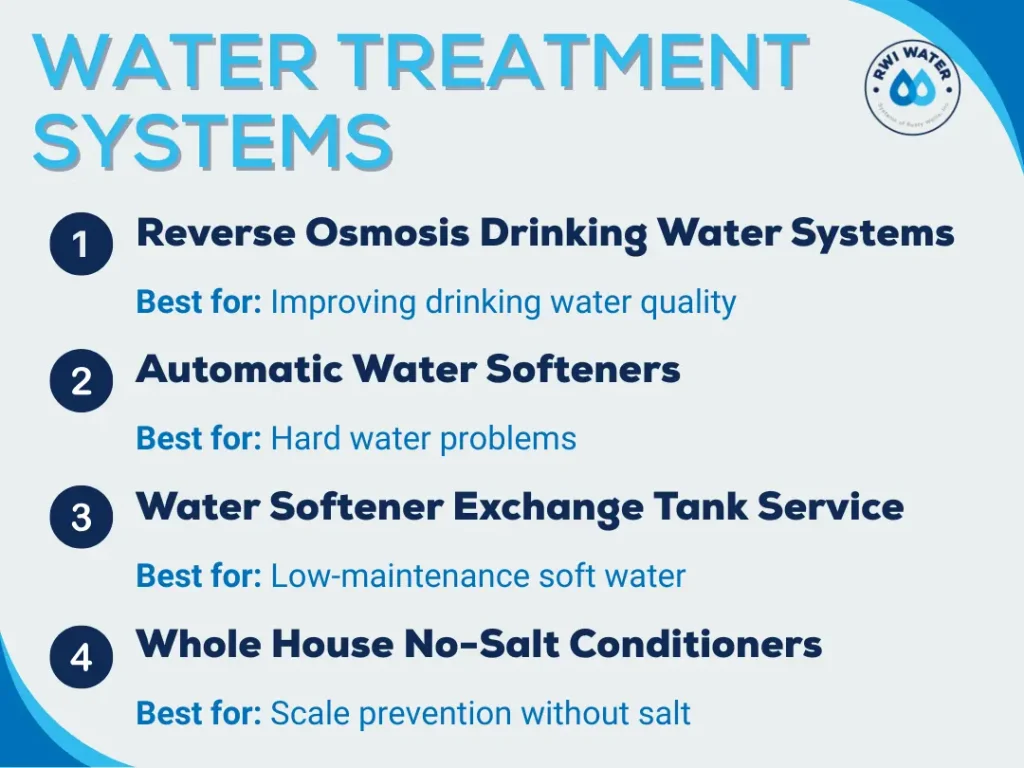
That’s why RWI Water Systems offers multiple residential water treatment options rather than a one-size-fits-all approach, including:
- Automatic water softeners for traditional ion-exchange softening
- Water softener exchange tank service for homeowners who want softened water without maintaining their own automatic system
- Whole house no salt conditioners for salt-free scale protection and improved household water quality
- Reverse osmosis drinking water systems for clean, great-tasting water at the tap
RWI Water Systems has been family owned and operated since 1964 and serves homeowners throughout North County, including Oceanside, Vista, Carlsbad, Escondido, San Marcos, Fallbrook, Bonsall, La Costa, Camp Pendleton, and surrounding communities. We also provide routine maintenance and service for most major brands of residential water treatment equipment.
Better Water Starts With Choosing the Right System
If you’re tired of mineral scale and other water quality concerns but don’t want—or can’t install—a conventional salt-based water softener, a whole house no salt water conditioner may provide the alternative you’re looking for.
The most important step is determining exactly what is in your water and what you want your water treatment system to accomplish.
Contact us today to discuss your water concerns and explore our residential water treatment solutions for your North County home.