It seems that there are many causes of cancer these and days and most of us know someone who has been affected by this ugly disease. In the United States, about 1 in 8 women just under 12% will develop invasive breast cancer over the course of her lifetime. The causes vary, but if there was a contaminant in drinking water that increased the risk, would you avoid it? Most people would. However, without proper awareness and protection you may be putting yourself at risk which could be prevented. Our drinking water systems can effectively remove harmful contaminants from tap water through advanced filtration technology and can help you battle breast cancer and many other health conditions that could be in part due to poor quality, contaminated drinking water.
Naturalnews.com recently published information regarding the shocking findings from a study in Food and Chemical Toxicology, is entitled, “Glyphosate induces human breast cancer cells growth via estrogen receptors.” Even with the possibility for improved drinking water technology for our water sources, the article highlights the dangers of one particular contaminant found in California’s drinking water which “multiplies the proliferation of breast cancer cells by 500% to 1300% even at exposures of just a few parts per trillion ppt” – an herbicide known as glyphosate. Glyphosate is a synthetic compound that is a nonselective systemic herbicide, particularly effective against perennial weeds. Years ago, glyphosate was known to be harmful but recent information now links it to cancer cell proliferation. California has lowered the allowed level in the past, but showing cancer cell proliferation being caused by ultra-low concentrations of glyphosate has not created change just yet.
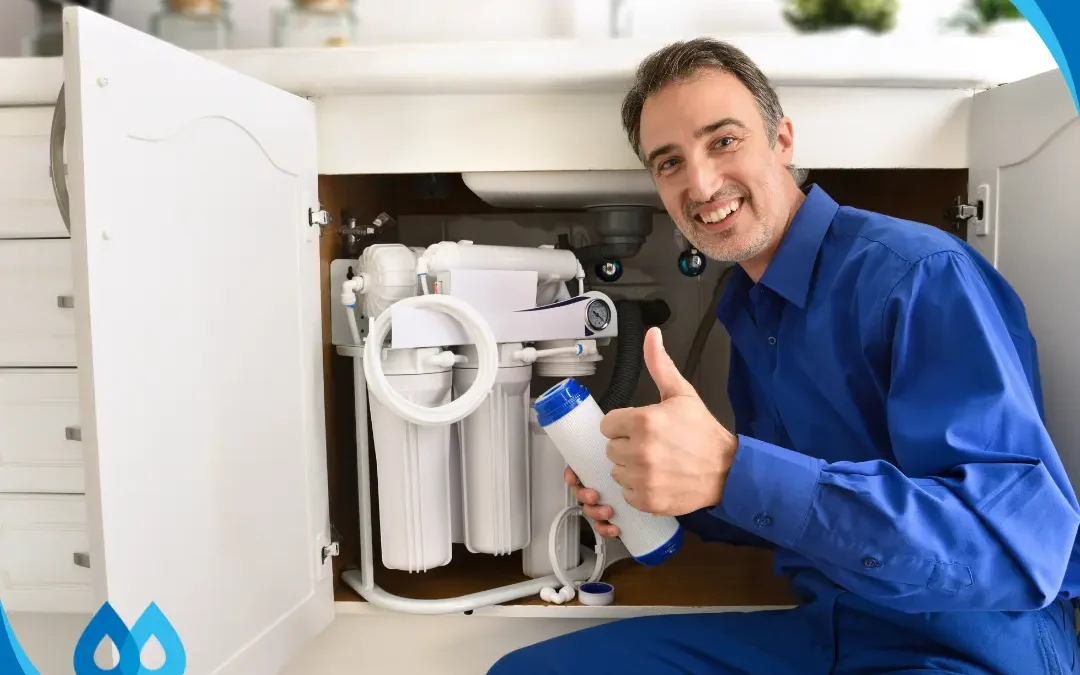
Recently published studies demonstrate glyphosate’s toxicity to cell lines, aquatic life, food animals, and humans. Study after study is being published demonstrating its devastating effects, yet California’s allowable exposure level was nearly 50% higher than the federal EPA level of 700 ppb. These higher contamination levels mean higher risk of breast cancer for those who come into contact with the herbicide through residues in food crops or runoff into potential drinking water sources. Without a drinking water system in your home, you may be at higher risk for these health effects. Our water filters use the most advanced drinking water filtration technology turning tap water into high-quality, pure drinking water without wasting water like traditional reverse osmosis systems. California doesn’t seem to be doing enough to protect our drinking water, so you may have to in order to preserve your tap water and protect your household. Advocate for your health and demand change. Until then, contact us for more information on which of our drinking water systems will work best for your home. To read the article, click here.