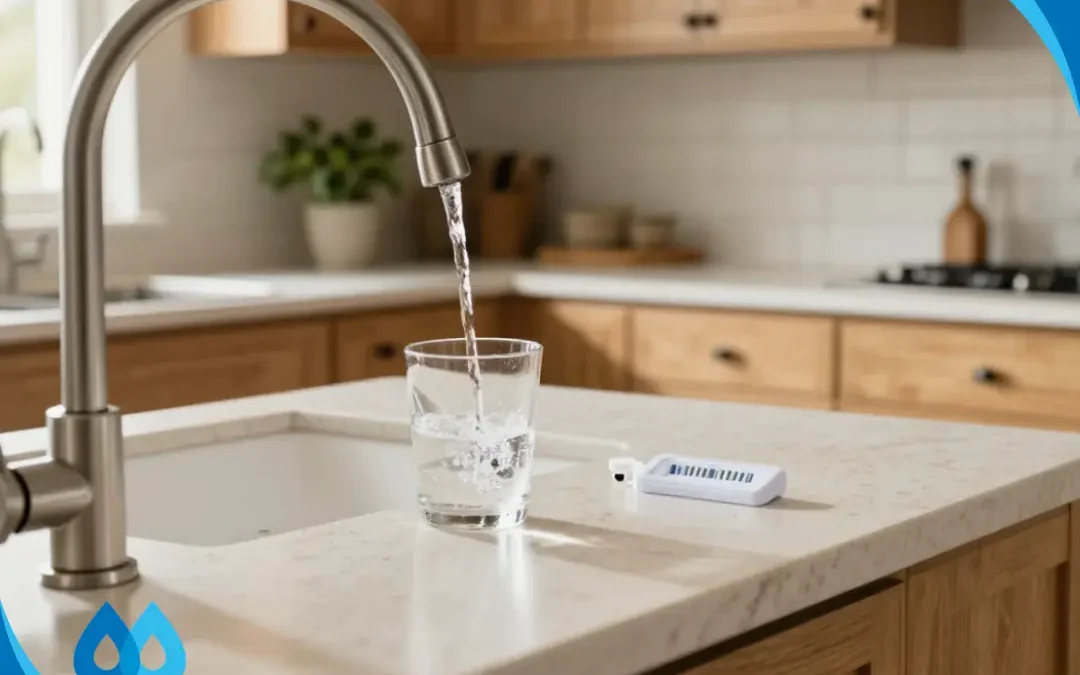
As crazy as it sounds, due to heavy industrial and environmental pollution, the majority of our tap water and well water here in the United States contains some level of contamination. These contaminates range from naturally occurring minerals and elements found in the ground to man-made chemicals and byproducts. While it is true that in many areas, the level of contamination may not cause immediate sickness, it has been proven that continuous exposure to even low-levels of these contaminates can cause serious illness; cancer and liver damage to name just a couple.
Industrial water treatment plants do a pretty good job of filtering out most major contaminates, however some contaminates are missed; prescription drugs are one type of contamination that water treatment plants are not able to filter out. In fact, pharmaceuticals were found in the drinking water of at least 41 million Americans from 24 major metropolitan areas – drinking water that had already gone through a municipal water filtration process.
Lead is also a major concern and shows up in the tap water of many Americans. While water treatment plants do in fact filter out lead, the water can become contaminated again, as it travels through the miles of pipes after the treatment facility. Another issue with treated drinking water, is that many municipal water plants add chlorine and fluoride to the water. Chlorine does a fantastic job of killing off harmful bacteria, but the byproducts created from chlorinated water can be toxic.
Well water on the other hand can be home to a host of contaminates including lead, arsenic, nitrates and bacteria among others. Homeowners need to be especially vigilant if their drinking water is supplied by a private well; frequent water testing and installation of home water treatment systems are highly recommended.
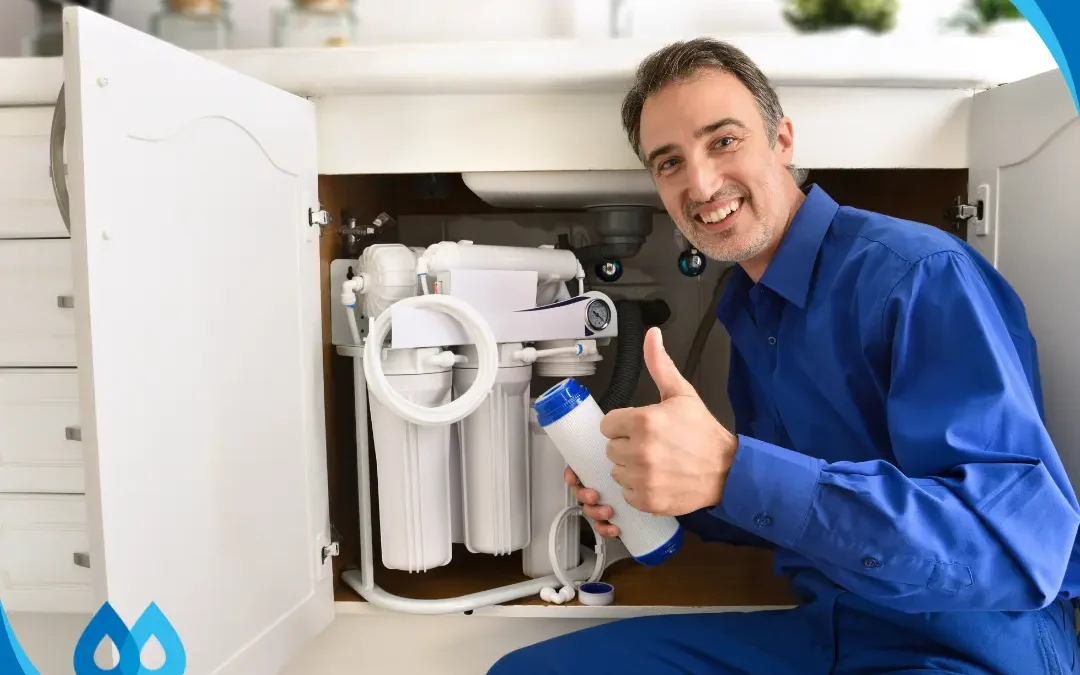
Drinking water filtration systems, such as our RWI Water Systems Drinking Water Systems, have the ability to filter out over ninety-nine percent of harmful contaminates and byproducts found in our tap water. While we can’t always control what contaminates show up in our water supply, we can certainly control what we do with them. A water filtration system will ensure that our families are protected against any known and potentially unknown contaminates that find their way into our water supply.