All across America thousands of exhausted men and women have their blood tested for thyroid function each year. Thyroid problems cause a wide spectrum of different problems in the human body both from an over active thyroid and an underactive thyroid. Every time a thyroid disorder arises, the question of “Why?” and “What causes this?” arises.
Hypothyroidism (underactive) is a condition in which your thyroid gland doesn’t produce enough of certain important hormones resulting in depression, fatigue, memory loss, weight gain, and sensitivity to cold. These symptoms are familiar to many people across the country. In a recent study, hypothyroidism has been tied to dissolved lithium in drinking water.
Lithium is found in varying concentrations in the ground across the world. The element is most commonly used in making batteries as well as being used in medicine, such as for the treatment of bipolar disorder. So, not only does Lithium seep into our groundwater from nature, but also from manufacturing and other people’s medications. It was noted that while the amounts of lithium being ingested via the drinking water are only a tenth of what a patient would take for bipolar disorder, the study participants had been absorbing this lithium all their lives, even from before birth. What this implies for their health, we don’t really know. That is why a new study is being planned that will compare the health of two groups of mothers and children: respectively, the ones with the highest and lowest levels of lithium in their blood.
All of this information is important because recent studies are showing that hypothyroidism can be triggered by the ingestion of too much lithium in groundwater. Lithium is an alkali metal that is found in nearly all igneous rocks (rocks formed from lava and magma) and in mineral springs. Lithium is the lightest metal with a density about half that of water. If lithium didn’t react with water it would float on top of it, however it does react somewhat vigorously.
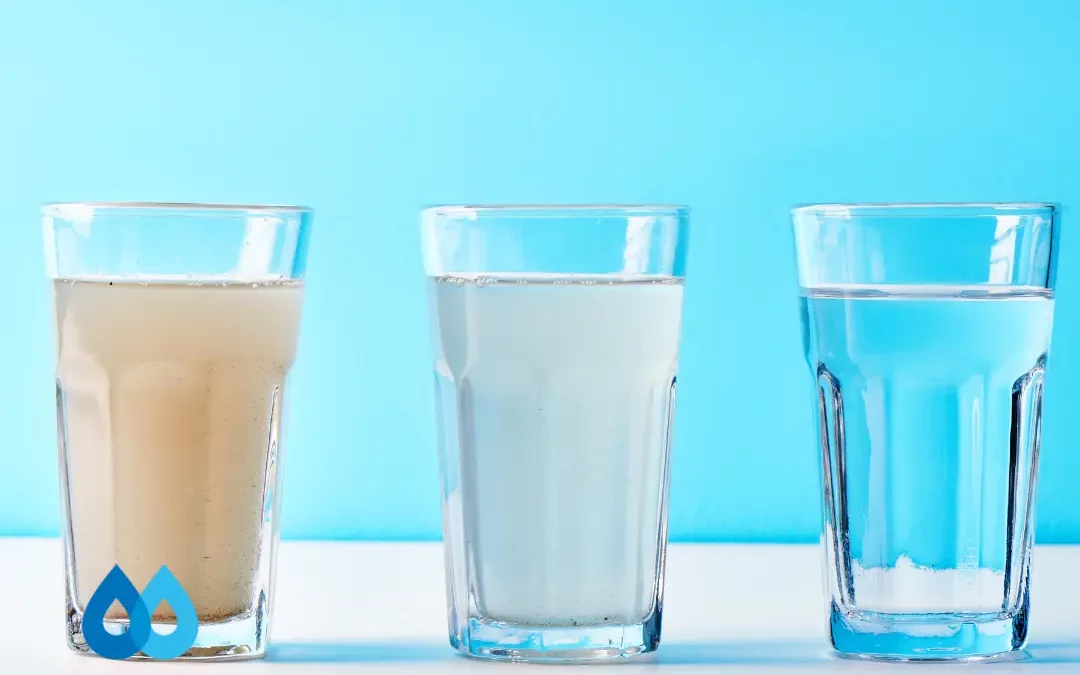
Most cities have municipal water treatment facilities that help to treat the water making it safe to drink, however these treatment processes don’t always remove contaminants simply because some are not known, or have not been identified as dangerous. When it comes to safe water, perhaps the safest water is water that we have treated ourselves. There are many water treatment systems available to homeowners today so there is no longer any reason to be drinking contaminated water. While tap water is “safe” to drink, it may not be as clean as we would want it to be. These water filtering systems can be one more line of defense in removing contaminants leaving us with safe, clean, great tasting water to drink. The road to better health begins at your tap; make sure you are drinking the cleanest safest water you can.
To read more on this topic, click here.