It’s quite startling, and questionable in this great nation – how can our communities, rich or poor, be plagued by sewage in their drinking water? The United States has some of the best water systems in the world, yet a recent article from the Fresno Bee brings a new issue to the forefront, one which should be attacked immediately to keep all residents safe and healthy, regardless of where they live.
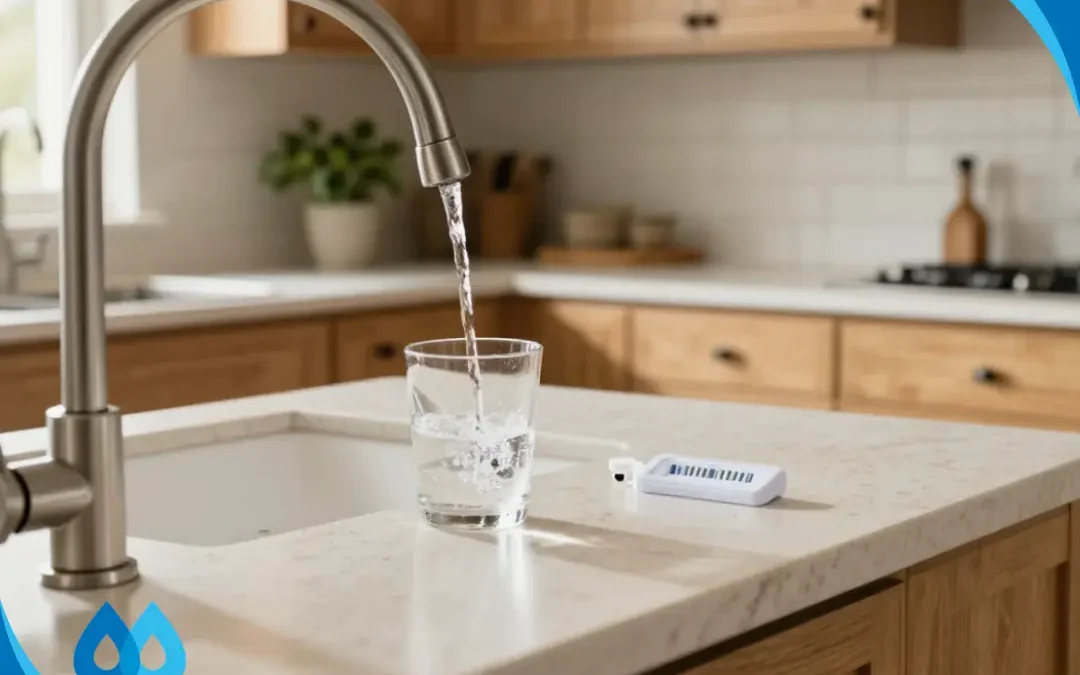
In the article, residents of Lanare share some of their memories of growing up with the tap water in that area. One resident remembers their mother cooked with tap water that turned her rice green. Other longtime residents recall how their tap water smelled like rotten eggs. The water doesn’t smell as bad now, but Nelson and her neighbors still can’t drink from the faucet because the water is contaminated with high levels of arsenic and, at times, E. coli. Can’t drink from the faucet? Many of us won’t drink from the faucet, but can’t? Everyone has a right to safe drinking water supplied from their faucet, especially when the community is getting it from county water sources, not a well. As one resident says, “The water is against people’s health. Everyone should have clean water to bathe, cook and drink. It’s everybody’s right as a member of this community to have clean water.”
What they don’t like is living without basic public services, like sewer lines. Their septic tanks sometimes back up into homes or leak raw sewage into yards. There are no sidewalks or streetlights, and there are not enough storm drains. “But across California, there are hundreds of neighborhoods like Lanare. These poor, dense and unincorporated communities on county land — which uniformly lack some combination of sewer, clean drinking water, sidewalks, streetlights and gutters — are routinely overlooked by government.”
Most residents are left to fending for themselves – forced to spend money themselves on services the rest of the country receives as a benefit of paying taxes. Residents of Lanare pay at least $54 a month for non-potable water. They also spend $25 each month on bottled water, which everyone in the neighborhood relies on, at least “until the money runs out,” said Ethel Myles, 74, who has lived in Lanare more than 50 years. “We need clean water,” she said. “We stay in America, and there’s supposed to be clean water. Because we’re a little place, they don’t care about us. It makes me feel left out and without.”
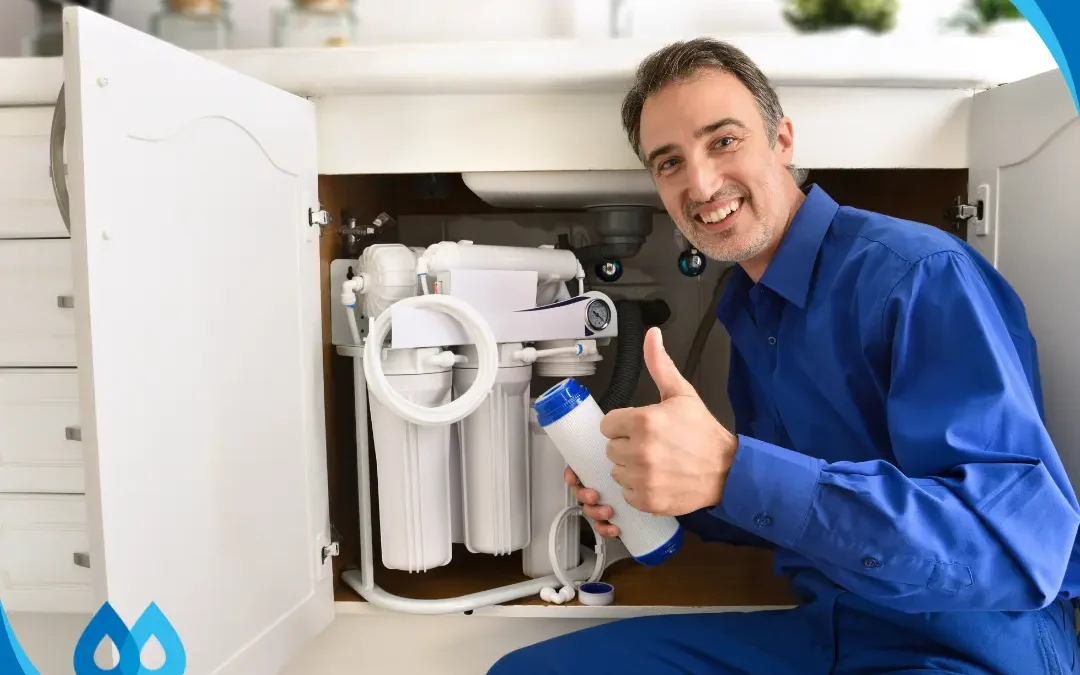
Residents or even government agencies could look into home water filters to utilize the tap water but remove unsafe contaminants while still producing a constant flow of clean drinking water. This water would be safe to bathe in, shower in, cook with, and drink – something these residents don’t have but deserve. Unincorporated residents can feel good about their safe drinking water with a water cooler, too. This is also an affordable way to provide homes and businesses with safe drinking water no matter what the demand. Impoverished cities and towns need safe drinking water, too. Affordable solutions like reverse osmosis and water coolers are out there, and should be utilized to the fullest to keep all Americans safe, incorporated or unincorporated.