Consuming high levels of drinking water contamination can take its toll on the body, that’s for sure. Even today in the United States, with all of the available technology and water treatment systems, we still find ourselves battling the elements of drinking water contamination around the country. Both private wells and municipal drinking water systems find themselves dealing with harmful contamination and constantly looking for filtration strategies to keep residents safe. But without awareness and the right tools, there are gaps in many of our communities where residents are consuming contaminants, some old and some new, like pesticides. Interestingly, a recent increase in food allergies could actually be attributed to these pesticides in drinking water according to a recent online article from naturalnews.com.
The article discusses a recent study published in the December issue of the journal Annals of Allergy, Asthma and Immunology, which is the scientific publication of the American College of Allergy, Asthma and Immunology, that found that “elevated levels of dichlorophenols, a chemical included in pesticides and to chlorinate water, when found in humans, is often associated with food allergies.” There is quite a bit of evidence against genetically modified organisms, in terms of why they are harming our food supply and how much damage they are causing to humans in general. As the article states, “the latest data indicates there is a substantial and growing health risk between GMO pesticides and chlorinated tap water, resulting in higher numbers of food allergies with many resulting in additional gastrointestinal problems.”
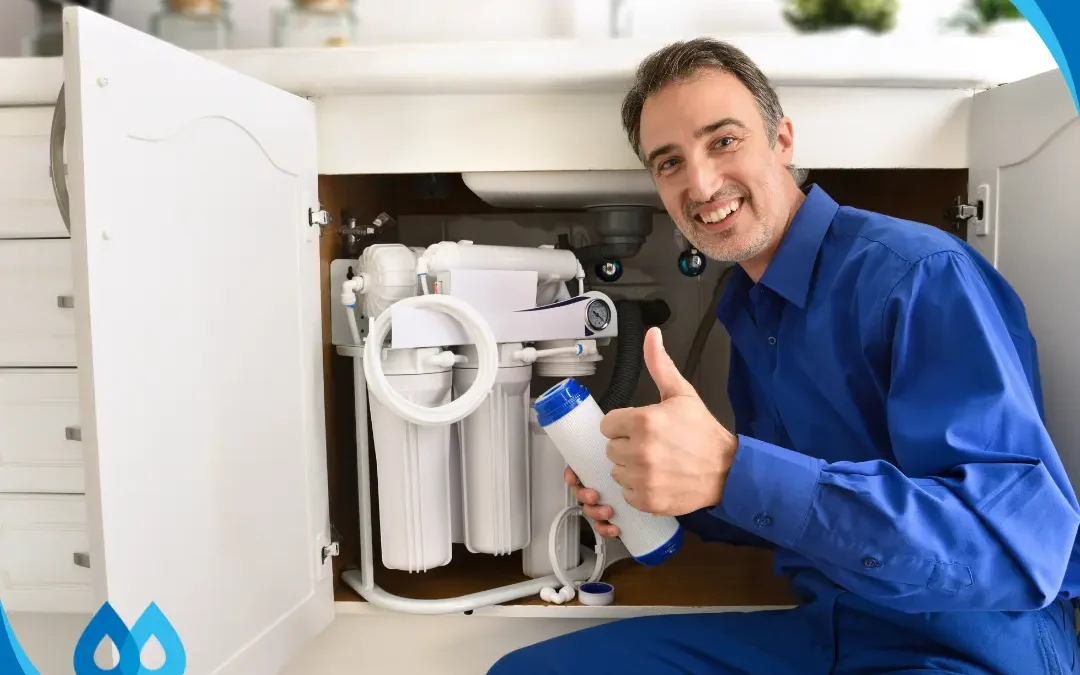
So what does this mean for humans and how can we protect our families? Food allergies affect some 15 million people and are rising and dichlorophenol-containing pesticides could be partially to blame. This chemical, again found in pesticides, often makes its way into tap water. Guarding your home with a high quality drinking water system will filter water right at the tap and remove chemicals from pesticides and other harmful contaminants which could be wreaking havoc on our bodies. While the “obvious solution” still seems to be bottled water, the environmental impact is also horrendous and a water filter with RWI Water Systems technology will be effective, efficient and eco-friendly each time you turn on the tap. We may not have the power to protect our drinking water at the source, but individually we can all do a better job protecting the health and future of our families by installing a drinking water system today. To read the article, click here.