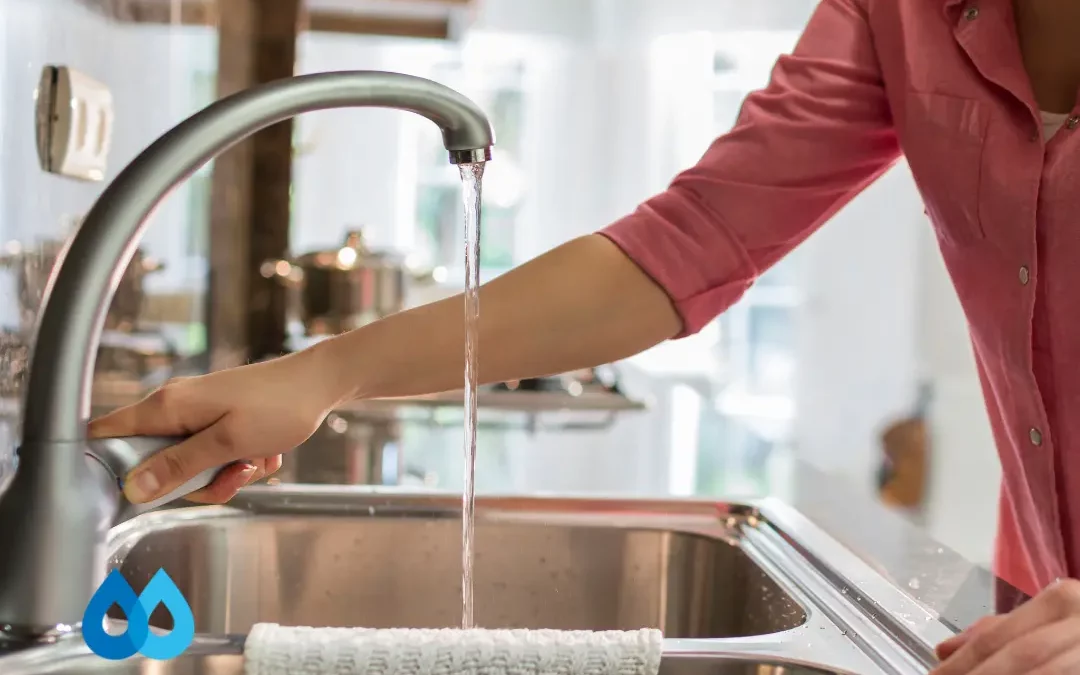
It seems simple enough – go to the kitchen faucet and get a glass of water to drink. Clean. Clear. Pure. Or is it? Likely, you are one of 41 million Americans drinking tap water contaminated with unwanted and un-prescribed medications.
Living in the United States with advanced sanitation and municipal water systems, we expect the water delivered to our homes to be safely treated so we can confidently drink and cook with it. However, this is not always the case. Several water systems around the country have shown traces of medications such as anti-anxiety drugs, acetaminophen, estrogen, and tranquilizers. Testing was also performed on 35 major watersheds and pharmaceuticals were found present in 28 of these.
Local municipalities are in a difficult situation. The federal government does not provide any limits for safe levels for pharmaceutical residues in the water nor does it require any testing for these compounds the way they do other mineral and chemical contaminants. If there is no required testing for drugs in the water, claims of safe water can be misleading.
How do these medications enter our water systems? We take our medication and unknowingly assume that the drug is fully absorbed into our systems. However, a significant portion passes through and is flushed, entering the water treatment cycle. Additionally, flushing or dumping unused medications contributes to this problem. Most municipal treatment processes cannot remove all drug residues and they remain in our water and flow back through our taps.
There is, fortunately, a step you can take in your own home that will provide the clean water you and your family require. The most effective is a Reverse Osmosis system, which provides drinking water that has passed through a semi-permeable membrane to separate contaminates from the water. The system is installed right at the sink and can be routed to include refrigerator water and ice service. Making this investment in your home’s water quality will decrease contaminates and increase the quality of the water you use every day.
You can read more about this AP investigation at http://www.msnbc.msn.com/id/23503485