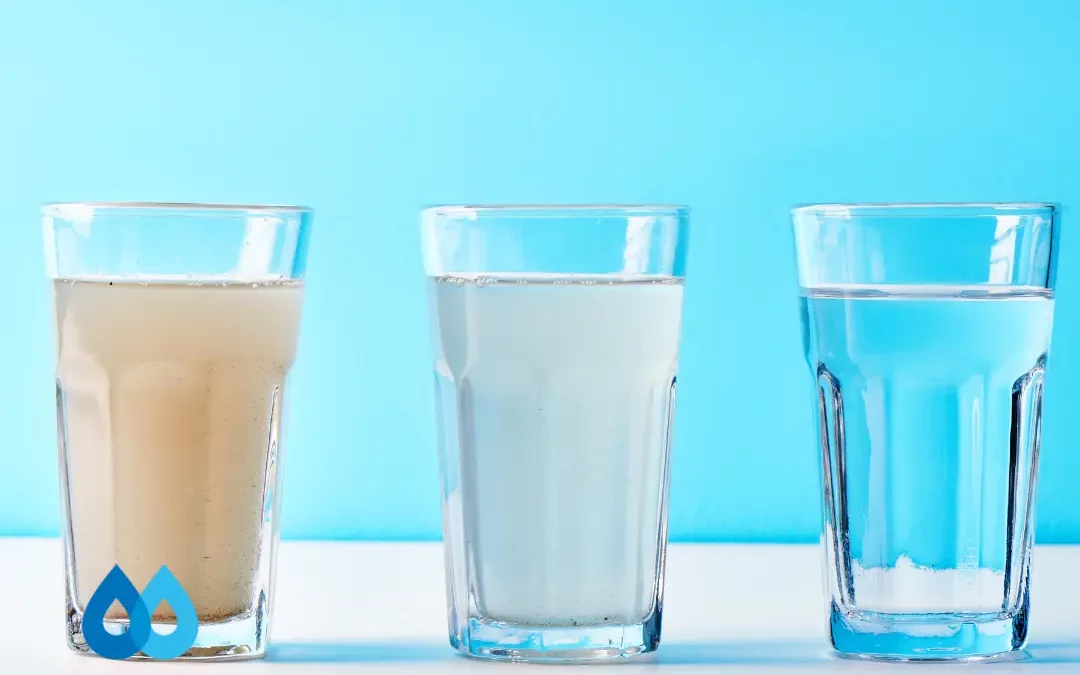
In many parts of the United States, drinking water may have chemicals and other contaminants that make our water taste just plain bad. That bad taste in a glass of water translates into an off taste in anything cooked, with water added, and beverages like coffee brewed with water. Water taste is determined by the raw material, the natural water, and by the disinfection process used by your local water authority. Though improvements have been made to create better tasting water, not all water systems have succeeded in this effort. The “recipe” for drinking water at most municipal water treatment facilities is still heavily influenced by the need to kill bacteria and other living organisms in order to make it safe for the population. That’s why so many municipal water systems produce water that smells, and tastes, like the aqua blue stuff in a swimming pool. Chlorine is the chemical of choice to kill organisms in water. Safe to drink? For the most part, yes. Good to drink? Not really.
During the holidays, it seems our cooking and use of tap water increases with our efforts to create tasty holiday meals and beverages. We have more guests in our homes and utilize our taps to welcome our friends and family with cups of coffee and homemade meals. But does your water taste good? Is it safe? Does the food and drinks you put on your table taste funny because of your tap water? This holiday season may be the best time to consider a water filter or other drinking water system before your guests start arriving. Coffee made with high-quality, filtered drinking water will taste better overall. Your guests will want to use less sugar and creamers and enjoy the taste of the coffee itself. Likewise, foods like potatoes will taste better because they won’t soak up the flavor-altering contaminants. Vegetables have a unique ability to soak up these additives and flavors when you are washing and soaking. And the holiday season means cooking with plenty of vegetables.
The Safe Drinking Water Act covers 91 contaminants, but there are tens of thousands of chemicals used in the U.S., including more than 8,000 monitored by the EPA, and many of their health effects remain unclear. Studies have linked a wide range of unregulated chemicals to cancer, hormonal changes and other health problems — and even some regulated ones haven’t had their standards updated since the ’70s — but no new pollutants have been added to the list since 2000. Have you ever considered that high-quality drinking water means high-quality food? With our high-quality drinking water systems you can worry less about how your food tastes – and any reduced stress during the holidays is a good thing.