Once again this week, we see E. coli and drinking water mentioned in the same news article. This time, it was found at a middle school in Oregon, but last week, it was in a New Jersey community.
Fortunately, this school had precautionary measures in place. The E. coli was found in the school’s well, but was filtered out by a chlorination system before the water reached the inside of the school. In spite of the filtration, the school took no chances and shut off drinking fountains, warned cooking staff, and provided bottled water. The contamination in New Jersey was not so easily contained. In this case, an entire community of around 40,000 was required to boil their water before using it.
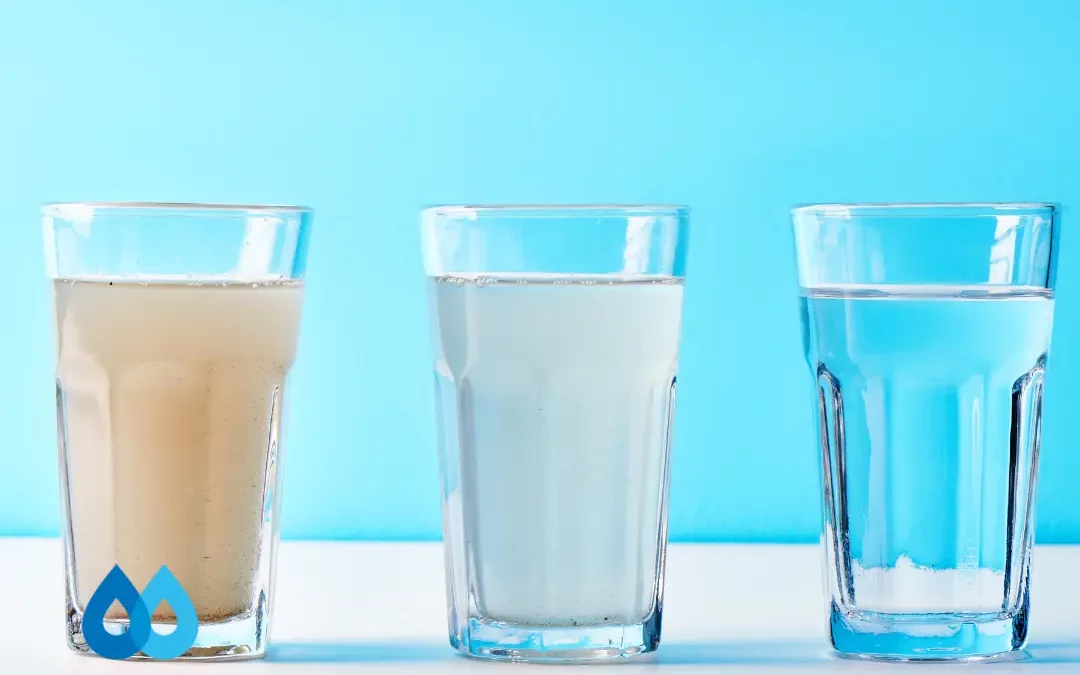
E. coli is very simply the presence of human or animal waste in the water. During rainfalls, snow melts, or other types of precipitation, E. coli can be washed into rivers, lakes, or other groundwater. Unless that groundwater is treated adequately, the bacteria may end up in drinking water. This bacteria can cause diarrhea, cramps, nausea, or headaches, but in most cases is not life threatening. However, in some individuals – particularly children under the age of 5 and the elderly – E. coli can cause hemolytic uremic syndrome, in which red blood cells are destroyed and the kidneys fail. Only about 2%-7% of infections lead to this complication.
Fortunately, municipal water systems generally catch E. coli contaminations early on. For those individuals with private wells, however, consistent periodic testing is a must. Regardless of where the water comes from and the history of your water’s safety, a water treatment system can buy safety and peace of mind. A reverse osmosis system mounted either under your kitchen sink or in a convenient water cooler, is one of the most reliable methods of removing E. coli from drinking water.
Of course, as with any purchase, please check with a reliable testing agency, such as the Water Quality Association, to ensure that the product you choose is able to clean your water. Then, make sure the water treatment system is one that meets your needs. Some new water treatment systems are more environmentally friendly than others, some provide hot and cold water at the touch of a button, and some are available for either lease or purchase. However you choose to get your water, make sure it’s clean, healthy water!